Interesting things about Amazon
Interesting things about Amazon
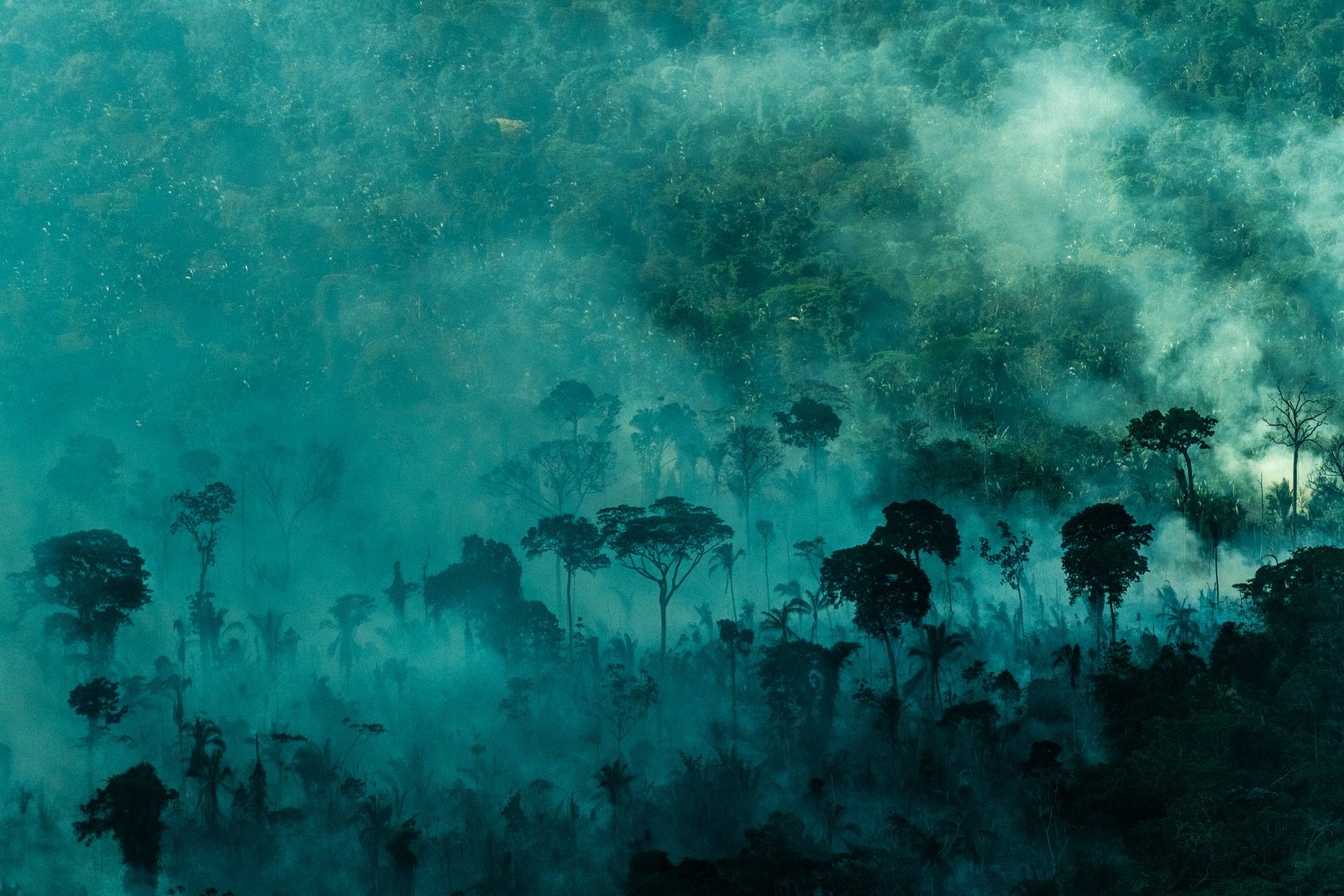
The Amazon is probably ‘the rainforest’ that springs to people’s minds all across the planet. It is a world on its own, with lush green canopies, winding rivers, and incredible sounds of nature that echo throughout its dense forest.
The Amazon rainforest is also crucial for keeping the climate in balance and our planet healthy. Besides, this green powerhouse holds many fascinating mysteries. There is still so much we don’t know about the Amazon, which makes it one of the most intriguing places on Earth.
The importance of the Amazon rainforest cannot be overstated. Covering over 2.5 million square miles and spanning nine countries – Brazil, Peru, Colombia, Venezuela, Ecuador, Bolivia, Guyana, Suriname, and the overseas territory of French Guiana – it is the world’s largest tropical rainforest. This vast ecosystem, which stretches from the Atlantic Ocean and includes the Amazon River Basin and the Amazon Forest, is home to 10% of the planet’s known biodiversity and contributes 15 to 16% of the world’s total river discharge into the ocean.
The Amazon is an area of outstanding natural value and an important tool in the fight against climate change. Let’s take a closer look at some of the functions it plays, and the value that it brings:
The Amazon is the largest tropical forest on Earth
The Amazon in South America is the largest tropical forest in the world, spanning over 6.7 million square kilometres. To put its sheer size in perspective, it is twice the size of India – the largest country in South Asia.
The Amazon rainforest takes up about 40% of the landmass of South America. It stretches across eight countries and one overseas territory on the continent. Brazil contains the most of the rainforest – around 60%. Other countries include Peru, Colombia, Bolivia, Venezuela, Guyana, Ecuador, Suriname and French Guiana.
This makes it a unique challenge to protect one of the most valuable ecosystems on the planet. But it also highlights why these countries (and the wider world) need to cooperate to protect and preserve the Amazon across borders.
The Amazon rainforest is home to a rich variety of animals and plants-many of which are found nowhere else on Earth. It contains over 10% of the known species on the planet. This means that one in every ten species lives here, making it one of the most biodiverse places on Earth. From Hyacinth macaws and harpy eagles to fearless jaguars and pink dolphins, this vibrant ecosystem is a treasure trove of life.
The Amazon is one of the most important carbon ‘reserves’ on the planet
The Amazon’s Critical Role in Carbon Storage Vast Carbon Reservoir: The Amazon basin stores an estimated 90 to 140 billion metric tons of carbon both above and below ground, making it an immense natural reserve. Approximately half of this is stored in the soil, and the other half in the vast amount of vegetation, including an estimated 390 billion individual trees.A Natural Carbon Sink: Historically, the forest has functioned as a critical carbon sink, meaning it absorbs more carbon dioxide {CO}_{2} from the atmosphere through photosynthesis than it releases. This process helps mitigate climate change by removing a portion of human-caused emissions from the air.Global Climate Regulation: By absorbing {CO}_{2} and releasing oxygen, the Amazon helps stabilize global climate patterns and slow the pace of global warming. It is often referred to as the “lungs of the Earth” for this reason, though much of the oxygen it produces is used by the forest itself through respiration and decomposition. The Threat to this Reserve The Amazon’s ability to act as a carbon sink is under severe threat due to human activities and climate change. Flipping from Sink to Source: Due to extensive deforestation, forest fires, and intensifying droughts, certain parts of the Amazon have already become net emitters of carbon, releasing more {CO}_{2} than they absorb. The southeastern Amazon, in particular, has been identified as a carbon source.Deforestation and Degradation: The primary drivers of forest loss are the expansion of agriculture, cattle ranching, and illegal mining, which often involve intentionally set fires that rapidly release massive amounts of stored carbon into the atmosphere.Tipping Point Concerns: Scientists warn the Amazon is nearing a critical tipping point, where continued deforestation could trigger a large-scale dieback, transforming large areas into dry savanna and releasing over 90 billion tons of {CO}_{2}into the atmosphere, which would significantly accelerate global warming. Protecting the Amazon is essential not only for its unparalleled biodiversity but for the health and stability of the entire planet’s climate system.
Carbon Sink
The Amazon rainforest has often been referred to as the “lungs of the planet”. This is because the rainforest plays a crucial role in the global carbon cycle by drawing in carbon dioxide and expelling oxygen. However, recent scientific studies suggest that the Amazon could become a carbon source if decisive action is not taken to protect this invaluable tropical rainforest. This potential shift underscores the urgency of preserving the Amazon to maintain its critical function in carbon sequestration.
What is a Carbon Sink?
A carbon sink is any system that absorbs more carbon dioxide (CO2) from the atmosphere than it releases. The world’s largest natural carbon sinks include oceans, forests, plants, and soil. Among these, tropical forests like the Amazon rainforest stand out due to their immense size and dense vegetation, which collectively absorb significant amounts of CO2.
How the Amazon Functions as a Carbon Sink
The Amazon rainforest region functions as a carbon sink through the process of photosynthesis. During photosynthesis, trees and other vegetation absorb CO2 from the atmosphere and use it to produce energy, storing the carbon in their roots, branches, leaves, and trunks. This process not only removes CO2 from the atmosphere but also helps to stabilise the global climate by reducing the greenhouse effect.
The Role of Carbon Sinks in Tackling Climate Change
Carbon sinks are essential for mitigating climate change and preventing further global warming. By absorbing excess carbon emissions through carbon sequestration, they prevent the levels of atmospheric CO2 from rising even further. This is crucial because elevated CO2 levels contribute to the greenhouse effect, leading to global temperature increases, extreme weather events, and disruptions in natural ecosystems.
Water Cycle
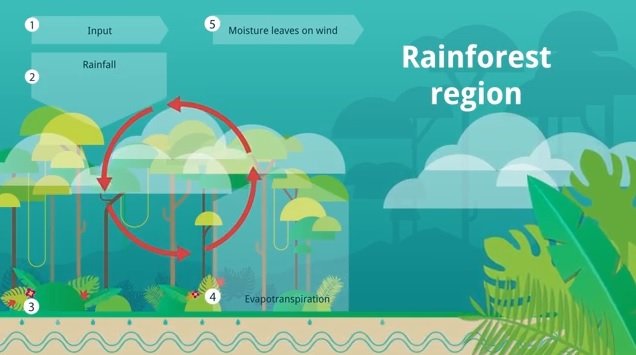
Rainforests such as the Amazon play a crucial role in the Earth’s water cycle, contributing significantly to both regional and global climate regulation.The water cycle, also known as the hydrologic or hydrological cycle, describes the continuous movement of water within the Earth and its atmosphere. This complex system involves several key processes: condensation, precipitation, infiltration, runoff, and evapotranspiration. The Amazon rainforest, in particular, enhances this cycle by adding vast amounts of water to the atmosphere through evapotranspiration. During photosynthesis, the plants and trees release water vapor, which is absorbed into the atmosphere. This moisture aids in the formation of rain clouds, which eventually release water back into the rainforest as rainfall.In the Amazon rainforest, an impressive 50 to 80% of moisture remains within the ecosystem’s water cycle. This retention of moisture is critical because, when these forests are cut down, the atmosphere absorbs less water, leading to decreased rainfall and sometimes severe droughts.The Amazon’s impact extends beyond local weather patterns. The rainforest releases approximately 20 billion tonnes of water into the atmosphere every single day, and this moisture travels globally, influencing various weather systems. As a result, the Amazon can affect the agricultural output of countries thousands of miles away, demonstrating its global significance. By sustaining the delicate balance of these cycles, the Amazon rainforest supports ecosystems and human activities worldwide, underlining the importance of its preservation for both regional stability and global climate health.
Biodiversity
The Amazon rainforest is incredibly biodiverse, home to at least 10% of the world’s known species. This means that one in ten species on Earth can be found within the Amazon rainforest!
Not only does the Amazon contain 10% of the world’s species, but it also houses 370 different types of reptiles, over 3,000 freshwater fish species in its rivers, and more than 40,000 different plant species.These impressive numbers continue to grow as we discover more and more species. Between 1999 and 2009, 1,200 new species of plants and animals were discovered in the Amazon rainforest.Moreover, many species of animals, flora, and fauna are endemic to the Amazon. Unique creatures like the Amazon river dolphin, the giant otter, the bald uakari (a type of primate), the gray woolly monkey, the golden lion tamarin, and the pygmy marmoset can only be found here.
These creatures play vital roles in the complex ecosystem of the Amazon rainforest, each contributing to the health and sustainability of the forest. For instance:
- Pollinators: Species such as bees, butterflies, and bats pollinate diverse plant life, ensuring the reproduction of a vast array of plants, which in turn provide food and shelter for countless other species.
- Seed Dispersers: Animals like toucans, monkeys, and agoutis play a crucial role in seed dispersal. By consuming fruits and then excreting the seeds far from the parent plants, they help maintain plant diversity and promote forest regeneration.
- Predators: Apex predators such as jaguars and harpy eagles regulate the populations of other animals, maintaining a balance that prevents any one species from dominating and disrupting the ecosystem.
- Decomposers: Insects, fungi, and bacteria break down dead organic matter, recycling nutrients back into the soil. This decomposition process enriches the soil, fostering plant growth and supporting the entire ecosystem.
To illustrate this complexity, consider the interactions between different species in the Amazon: When a fruit bat eats a piece of fruit, it not only gets nourishment but also aids in seed dispersal. The seeds that are dropped or excreted grow into new plants, which are then pollinated by bees. These plants provide food for herbivores, which in turn are preyed upon by carnivores like jaguars. When these animals die, decomposers break down their bodies, returning nutrients to the soil and completing the cycle.This intricate web of interactions ensures that the Amazon rainforest remains a vibrant and resilient ecosystem, capable of supporting its incredible biodiversity. By maintaining this delicate balance, the forest continues to thrive, playing a crucial role in global ecological health.
The River Amazon is the second longest river in the world
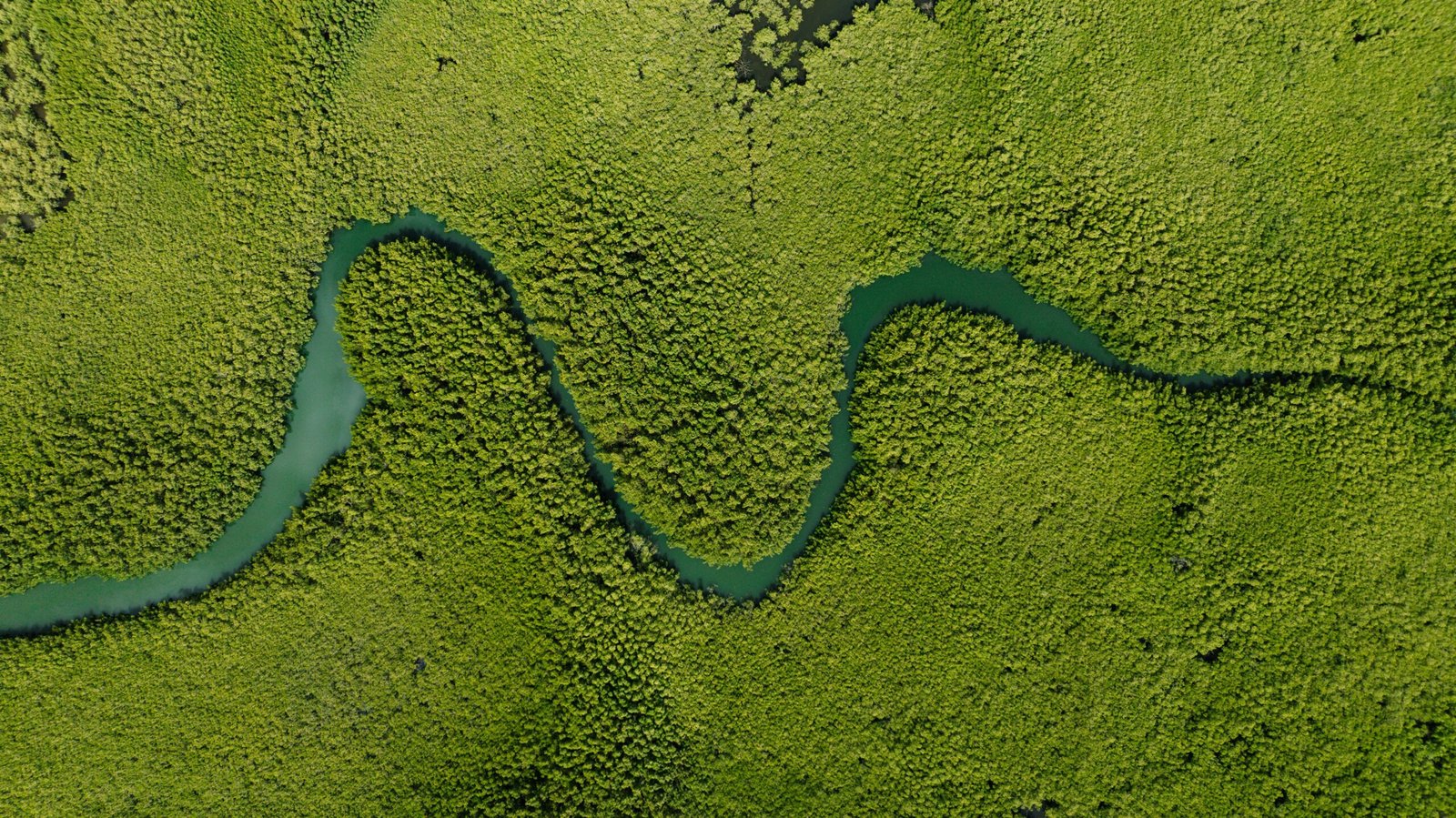
Meandering through the heart of the rainforest is the Amazon River. It is the second longest river in the world, only surpassed by the River Nile in Africa. Measuring over 6,400 kilometres long, the Amazon River winds its way through dense vegetation and diverse landscapes. It serves as the lifeline of the rainforest by providing fresh water and nutrients to many species and human communities.The Amazon basin is the huge area covered by the Amazon River and its tributaries (the smaller rivers that drain into it). Water levels in the basin rise and fall with the seasons, creating diverse wetland habitats, like swamps, marshes and floodplains. Different wetland habitats also support different types of wildlife, contributing to the region’sbiodiversity.
The statement that the Amazon River is the second longest river in the world is a commonly held view, though some recent surveys suggest it may actually be the longest. The exact ranking is a subject of ongoing debate among experts due to the difficulty in precisely measuring river lengths.
For a long time, the Nile River in Africa was universally considered the world’s longest river. However, advances in mapping technology and different methods for determining a river’s source and mouth have led to varying measurements for both rivers.
The Nile River: Traditionally measured at approximately 6,650 km (4,132 miles) in length, it is often ranked as the world’s longest river.
The Amazon River: Generally listed as the second longest at around 6,400 km (3,976 miles), some surveys using alternative source points place its length at up to 6,992 km (4,345 miles), which would make it longer than the Nile.
Key Distinction: Length vs. Volume
While the exact length is debated, there is no dispute that the Amazon is the largest river in the world by volume. It has the largest drainage basin and discharges more water into the Atlantic Ocean than the next seven largest rivers combined, accounting for about 20% of the world’s total river flow.
Ultimately, the Amazon is a phenomenal natural wonder, whether it holds the title of longest or second longest river.