Trees and Plants A-Z
Explore the trees and plants
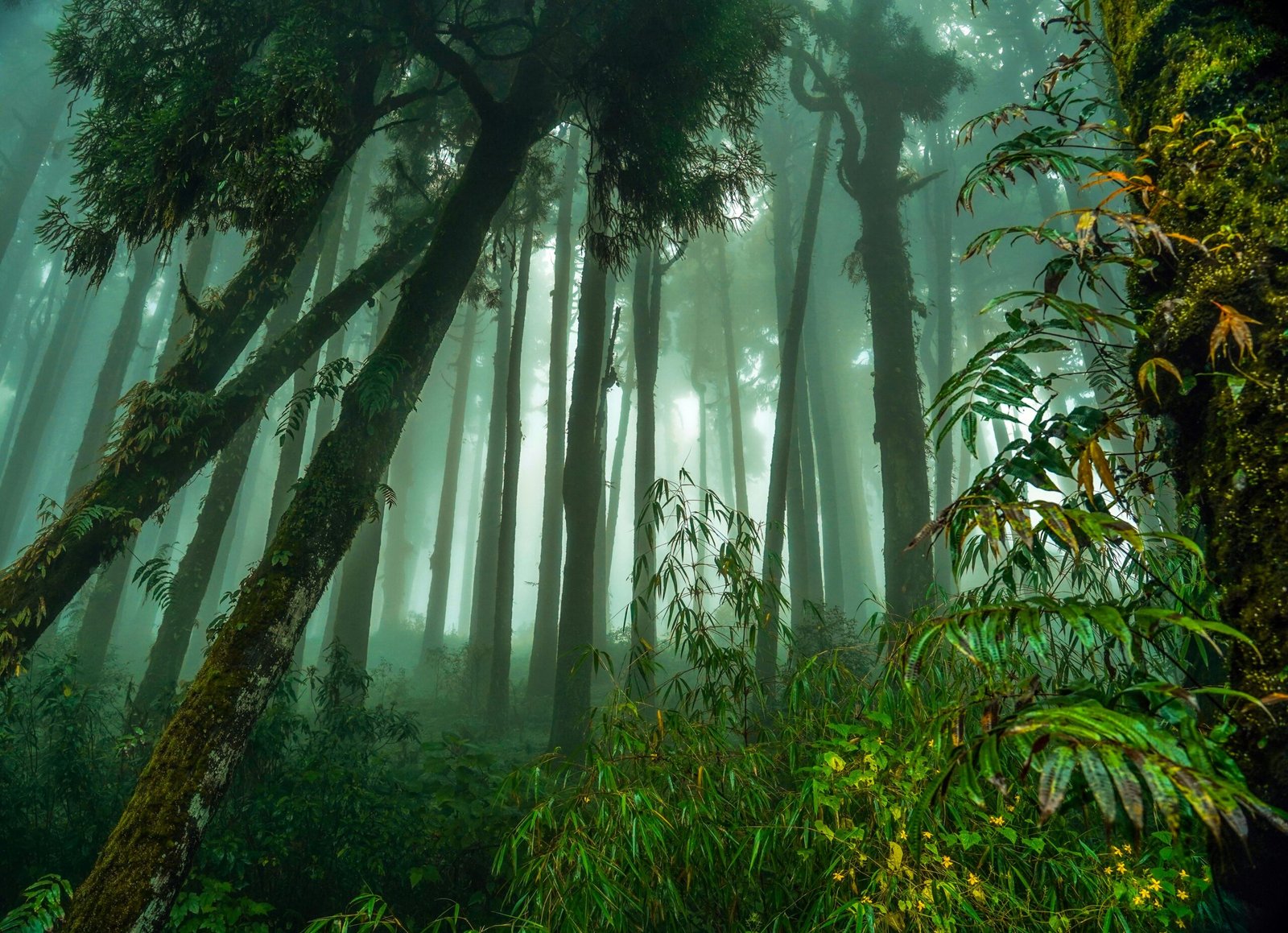
The phrase “the lungs of our planet” is increasingly used to describe the Amazon Rainforest, both among the people of South America as well as globally. The phrase refers to the significant amount of oxygen produced by the trees and other plant life of the Amazon.The Amazon basin and South America have a vast array of incredible trees. The bark, leaves, seeds, sap, roots, and fruit have been used by indigenous people for thousands of years for medicinal and many other uses. More recently, western medicine has begun using some parts of trees to treat a variety of diseases.Almost 400 billion trees belonging to 16,000 different species grow in the Amazon rainforest, according to scientists from the RAINFOR consortium in Peru and the UK, who participated in the recent study published in Science magazine. But half the total number of trees are thought to belong to just 227 ‘hyperdominant’ species, among them the rubber tree, the walking palm and the ungurahui tree.
Acioa edulis
Allantoma lineata
Annona montana
Annona purpurea
Antrocaryon amazonicum
Apeiba albiflora
Aphandra
Astrocaryum jauari
Astrocaryum vulgare
Astronium fraxinifolium
Astronium lecointei
Attalea maripa
Attalea speciosa
Brazil nut
Cinchona ledgeriana
Cinchona officinalis
Cocoa tree
Couepia longipendula
Erythrina fusca
Eugenia stipitata
Hancornia speciosa
Hevea brasiliensis. (Rubber tree)
Hura crepitans
Kapok
Leopoldinia piassaba
Magnolia amazonica
Magnolia rimachii
Maytenus krukovii
Myrciaria dubia
Platonia
Platypodium elegans
Pouteria caimito
Quararibea cordata
Rubber tree
Schefflera morototoni
Socratea exorrhiza
Symphonia globulifera
Theobroma cacao (Cocoa tree)
Acioa edulis

Acioa edulis, syn. Couepia edulis (Prance) Prance, is a fruit and timber tree in the family Chrysobalanaceae, which is native to the Amazon Rainforest in Brazil. The tree’s Portuguese common name is Castanha-de-cutia. The tree grows naturally only within a small area of Brazil; however, they proliferate widely within this area. The tree is around 25 m (82 ft) tall, with entire leaves that are oval or round, measuring 8–10 cm (3.1–3.9 in) diameter, with a petiole up to 2.5 cm (0.98 in) long. Its fruit ranges from 8–9 cm (3.1–3.5 in) long and 4–5 cm (1.6–2.0 in) diameter.and contain a single nut. Later these nuts float on the waters and have been collected for centuries as the source of a valuable oil, but their source was unknown until 1978 when botanical explorer Ghillean Prance discovered the species of tree which produces them.
Allantoma lineata
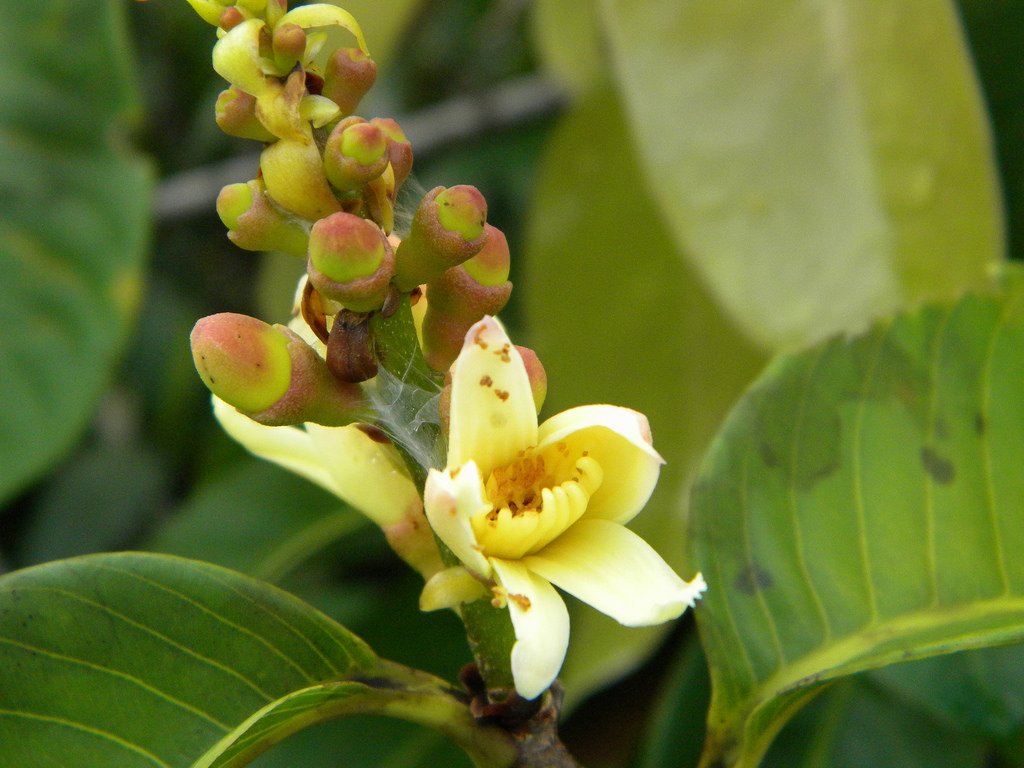
Allantoma lineata (Portuguese common name: Seru) is a timber tree, typical of Amazon Rainforest vegetation. It is native to Amazonas State in Venezuela, and also to Amazonas and Pará States in Brazil.
Annona montana
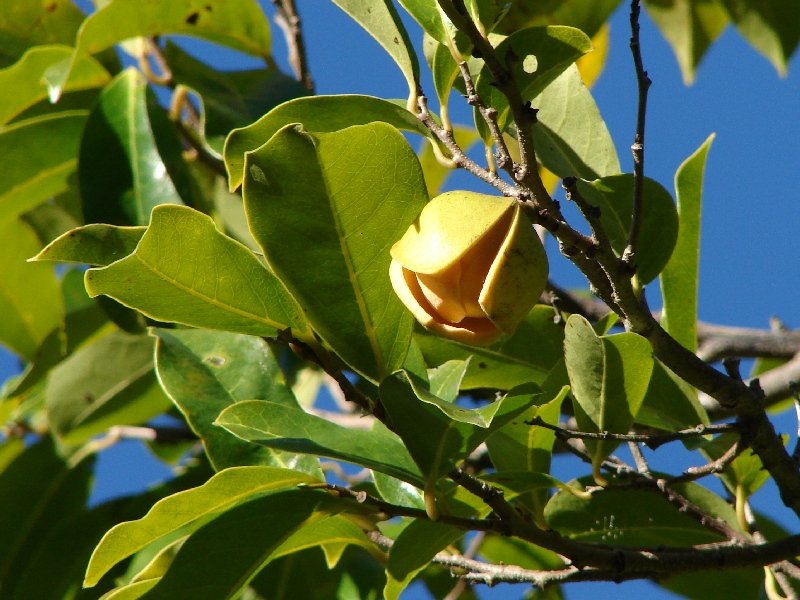
Annona montana, the mountain soursop, is a tree and its edible fruit in the Annonaceae family native to Central America, the Amazon, and islands in the Caribbean. It has fibrous fruits. A. montana may be used as a rootstock for cultivated Annonas The tree is similar to Annona muricata, but has a more spreading crown and glossy leaves. It is slightly hardier and bears fruit throughout the year.[9] It tolerates brief temperature drops down to 24 °F (−4 °C) when full grown. Its pollen is shed as permanent tetrads. The fruits are nearly round, with dark green skin covered with many short fleshy spines, and are about 15 centimetres (5.9 in) long. Yellow, fibrous pulp – which is aromatic – is sour and bitter, containing many light-brown, plump seeds. There is history of its use as a traditional medicine.
Annona purpurea
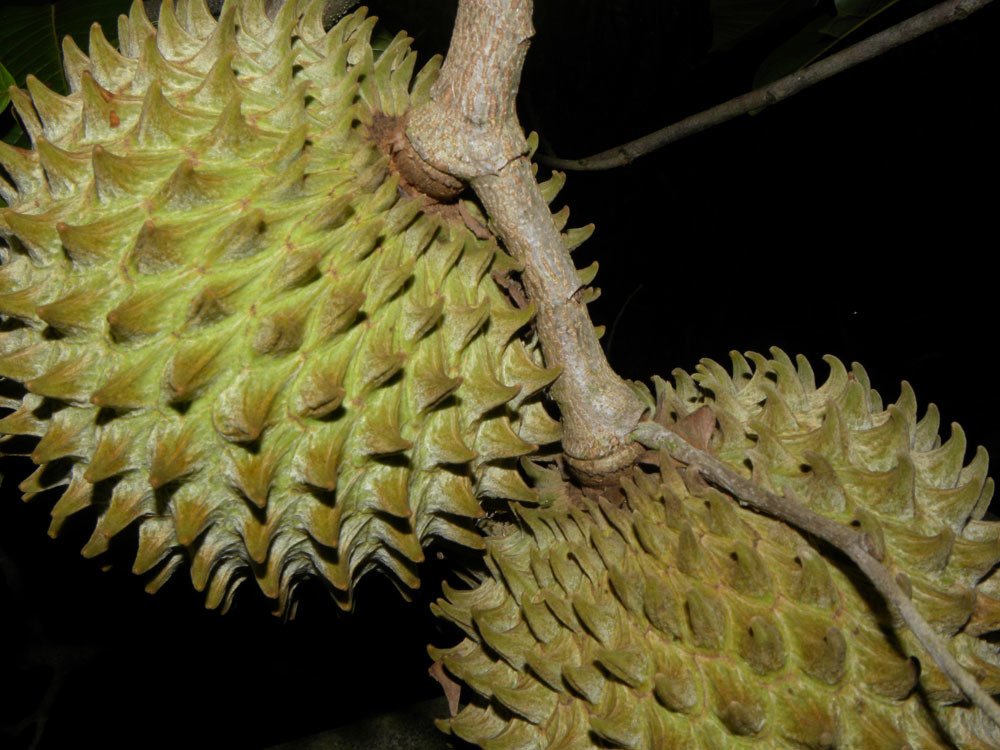
Annona purpurea is an edible fruit and medicinal plant in the Annonaceae family. It is native to Mexico, Central America, and parts of South America. Its common names include soncoya, sincuya, and cabeza de negroIt is a small tree reaching a maximum of 6 to 10 metres (20 to 33 ft). It is deciduous with hairy leaves and large, strong-scented flowers. Its pollen is shed as permanent tetrads.The fruit is rounded, 15–20 cm (5.9–7.9 in) wide, and covered with a felt-textured brown skin that is hard to cut open when ripe. The surface of the fruit has hooklike projections and superficially resembles a durian. It has many seeds which have a germination time of 1 to 6 months. Trees take about 1 to 3 years to bear and can be container grown. This species is closely related to the cherimoya, the sugar-apple and other species of Annona. The soncoya is fairly obscure in the genus; the fruit is of indifferent quality and has not attracted wide cultivation.The fruit has a texture like the soursop which some may describe as stringy or fibrous.
Antrocaryon amazonicum
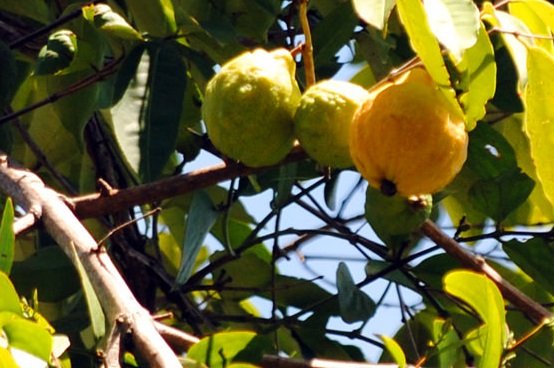
Antrocaryon amazonicum is a species of tree in the cashew family, Anacardiaceae. It is native to Brazil.
Apeiba albiflora
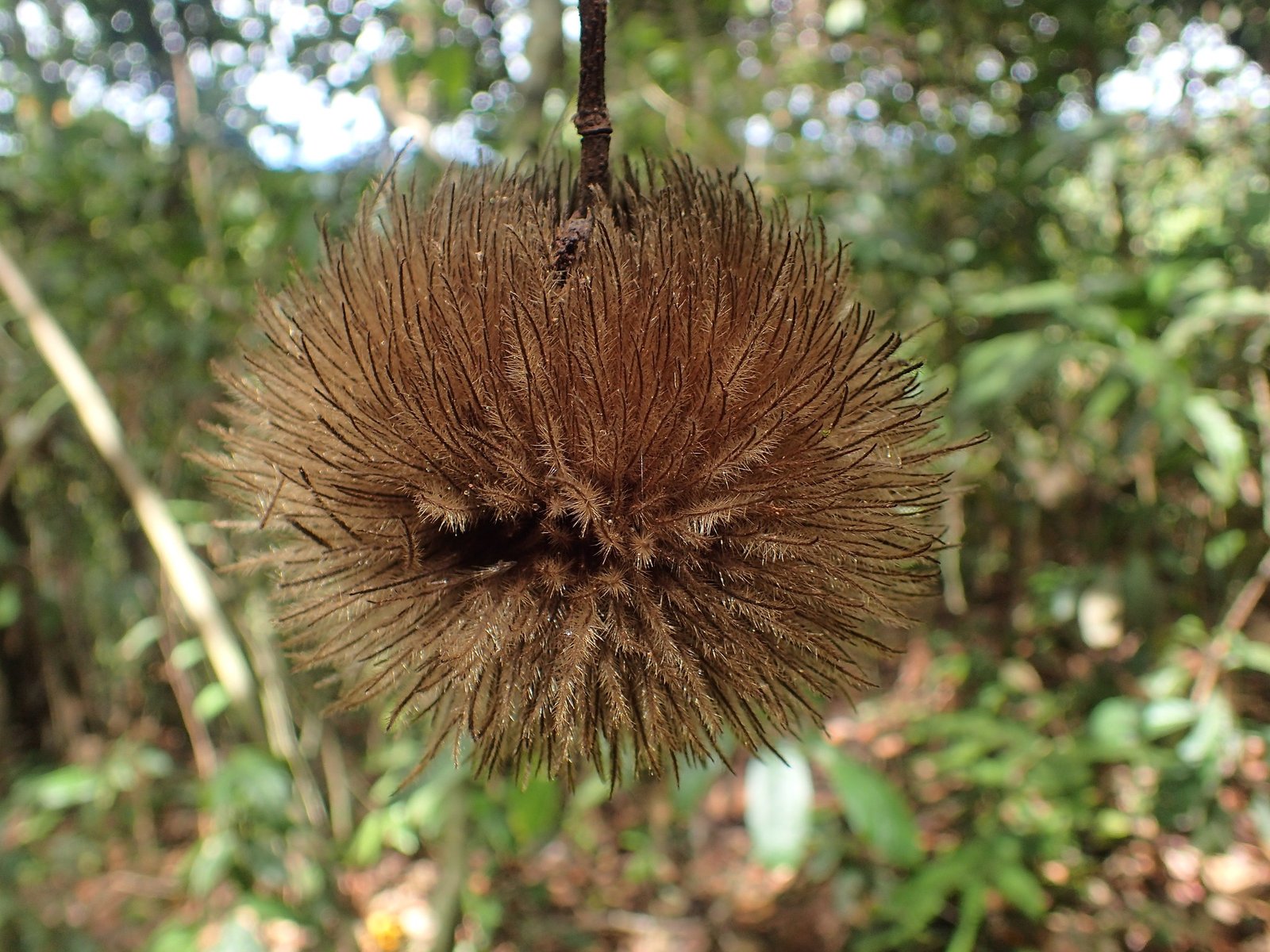
Apeiba albiflora is a tree which is often used as medicinal plant native to Amazon Rainforest vegetation in Brazil, French Guiana, Guyana, and Suriname.
Aphandra
Aphandra is a monotypic genus of flowering plants in the palm family native to the Amazon rainforest vegetation in South America (Ecuador, Brazil, and Peru). Its only species is Aphandra natalia, sometimes called mastodon palm or fiber palm, and is used by indigenous peoples in the construction of brooms and other products. This plant is commercially exploited for its edible fruits, and for its leaf sheath and petiole fibers. This fiber is almost equal to the fiber extracted from Attalea funifera and Leopoldinia piassaba, which is called piassava.The genus name is a combination of Ammandra and Phytelephas, two closely related palm genera, and the epithet “natalia” honors Natalie Uhl, modern palm taxonomist.Aphandra natalia grows from single trunks, reaching over 12 m in height, being gray to tan in color. These trees usually remain covered in the bases of old leaves giving them a seeming trunk diameter of nearly 1 meter, however the actual trunk size when cleaned of the leaf bases is nearer to 30 cm. The vine-like, pendent fibers of the leaf bases resemble those of Leopoldinia piassaba from which brooms are also made. The actual leaves of A. natalia are usually 4.5 m in length but are borne on long, 2.5 m petioles giving them an overall length of 7 m. The leaflets are reduplicate, pinnately cleft and dark green in color.They are sexually dioecious and markedly dimorphic; male plants produce an unusual 2.75 m inflorescence with many clustered branches of yellow flowers with females producing shorter tufts of yellow flowers surrounded by green to brown bracts. A mature infructescence resembles “a medieval club with spikes if the large amount of hairy black fiber was removed”.
Astrocaryum jauari
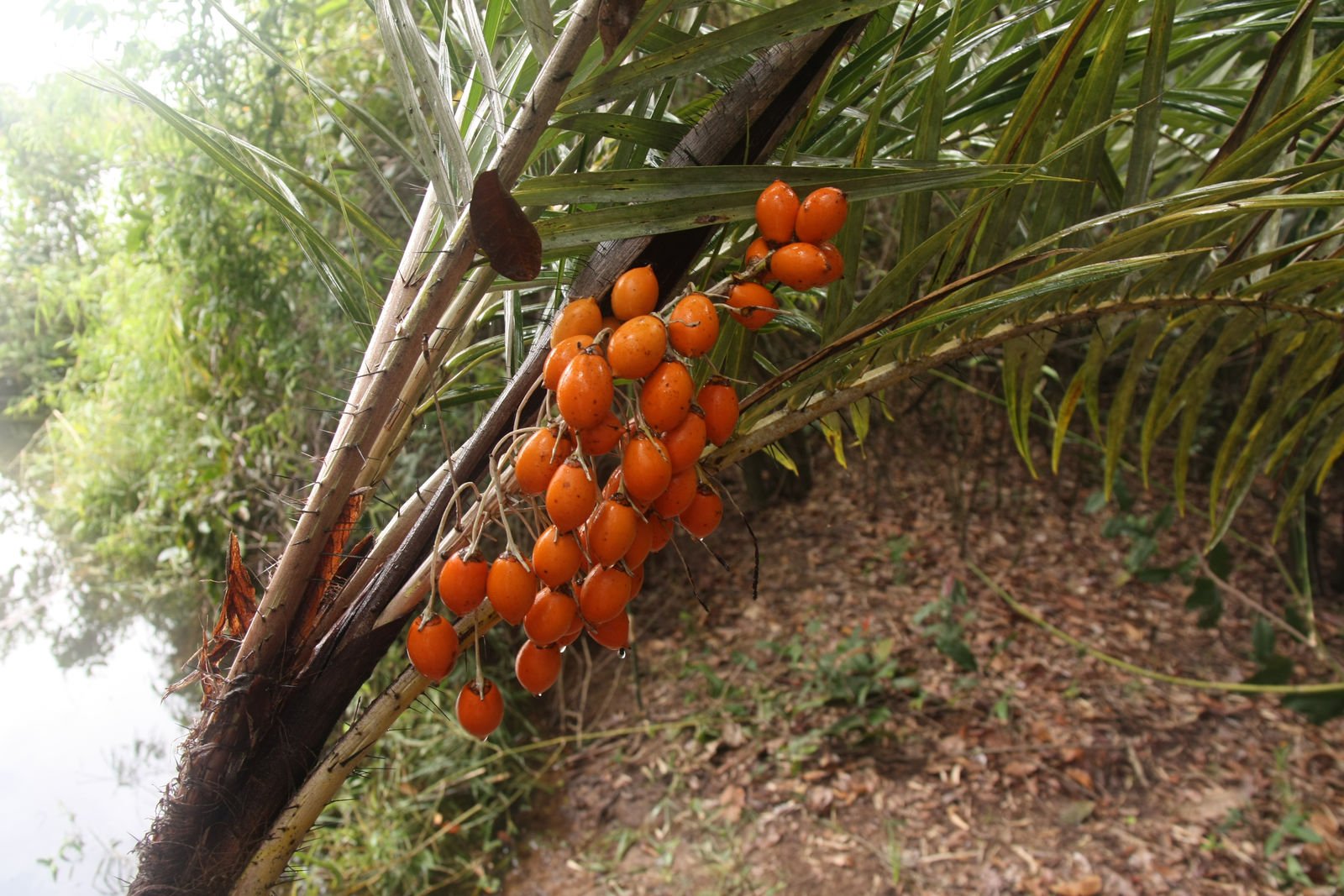
Astrocaryum jauari is the most frequently encountered palm native to Amazon Rainforest vegetation in the floodplains of the Rio Negro, in Brazil.[citation needed] The fruit is edible. This plant has further commercial value because it may be used in the production of heart of palm. It is one of the most common palms in the flood forests of the Amazon.
Astrocaryum vulgare
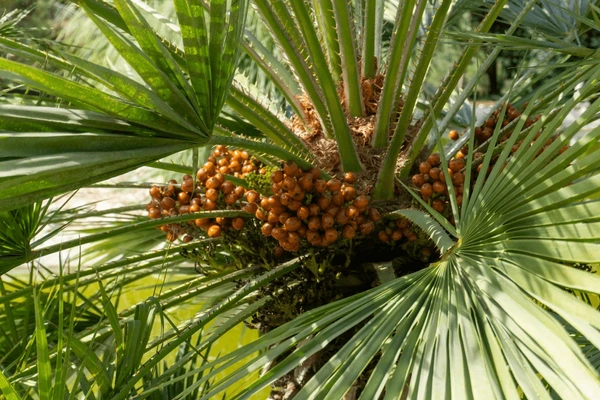
Astrocaryum vulgare is a very spiny palm native to the Guianas and the Amazon. It is a species which has greatly benefited from deforestation, as it cannot grow in undisturbed rainforest. It is common in the Pará state of Brazil, to the east of the Amazon. This plant has edible fruit.Astrocaryum vulgare was first described in the book Flora Brasiliensis by Carl Friedrich Philipp von MartiusThe tree can grow 10–15 m (33–49 ft) in height,although it is usually shorter. In habitus it usually presents as a few to many trunks, each trunk of the same height and width. The trunks grow 15–18 cm in diameter. By growing multiple stems, it regenerates easily after damage.The palm is covered in vicious spines, the trunk is densely covered in different lengths of black, flattened spines which grow to 12 cm long, and the infructescence is also covered in black, 1–3 cm long spikes. The spadices are held erect, and the inner spathe is two metres long, sometimes more.The fruit is an orange-coloured, round or roundish drupe, with a shortly pointed apex. The fruit is contained in a cupule (like an acorn), this is flat, some 1 by 2 cm, and laciniate-crenulate at its margin. The fruit has an oily, fibrous-fleshy, yellow or yellow-orange pulp, On average, the fruit weighs about 30 g (1 oz),and is some 4.5 by 3-3.5 cm in size. It contains a large nut with a very hard woody shell, which is almost black in color. The nut contains an oily white substance. The nut (a pyrene) is usually narrowed to the base and one-seeded, although it may also be globose in shape if it contains two seeds. The shell is 3mm thick.
Magnolia rimachii
Magnolia rimachii is a small to medium-sized tree of the family Magnoliaceae commonly reaching 8 to 15 m high. It is found in the western lowland Amazon Basin tropical forest, in Ecuador and Peru, between 140–500 metres (460–1,640 ft) in elevation.Magnolia rimachii has chartaceous elliptic leaves 12–26 cm (4.7–10.2 in) long and 5–10 cm (2.0–3.9 in) broad. Flowers are fragrant and can have 6 or 7 obovate petals 2–4.5 cm (0.79–1.77 in) long and 1–2 cm (0.39–0.79 in) wide. The elliptic fruit can be ca. 3.5 cm (1.4 in) long.
Maytenus macrocarpa
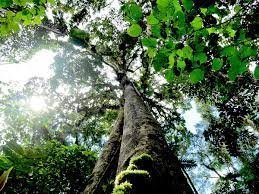
Maytenus macrocarpa is a tree species native to the Amazon rainforest; it grows in Bolivia, Colombia, Ecuador, Peru, Venezuela, and northern Brazil. With a maximum recorded height of about 30 metres (98 ft), and leaves that span up to 30 centimetres (12 in) wide, this large tree contributes significantly to the forest canopy.In the Quechua languages the tree is called chuchuhuasi (alternately spelled chuchuasi) or chuchuhuasha (alternately spelled chucchu huashu, and sometimes shortened to chuchasha). This name in all its permutations means “trembling back”, due to the bark’s effectiveness in relieving back pain, as well as the discomforts of arthritis and rheumatism.Indigenous peoples of the Amazon drink decoctions and tinctures of the bark as an herbal tonic. Extracts of the bark of M. krukovii are antioxidant and somewhat antimutagenic. A person can chew the bark, but it tastes very bitter.
Myrciaria dubia
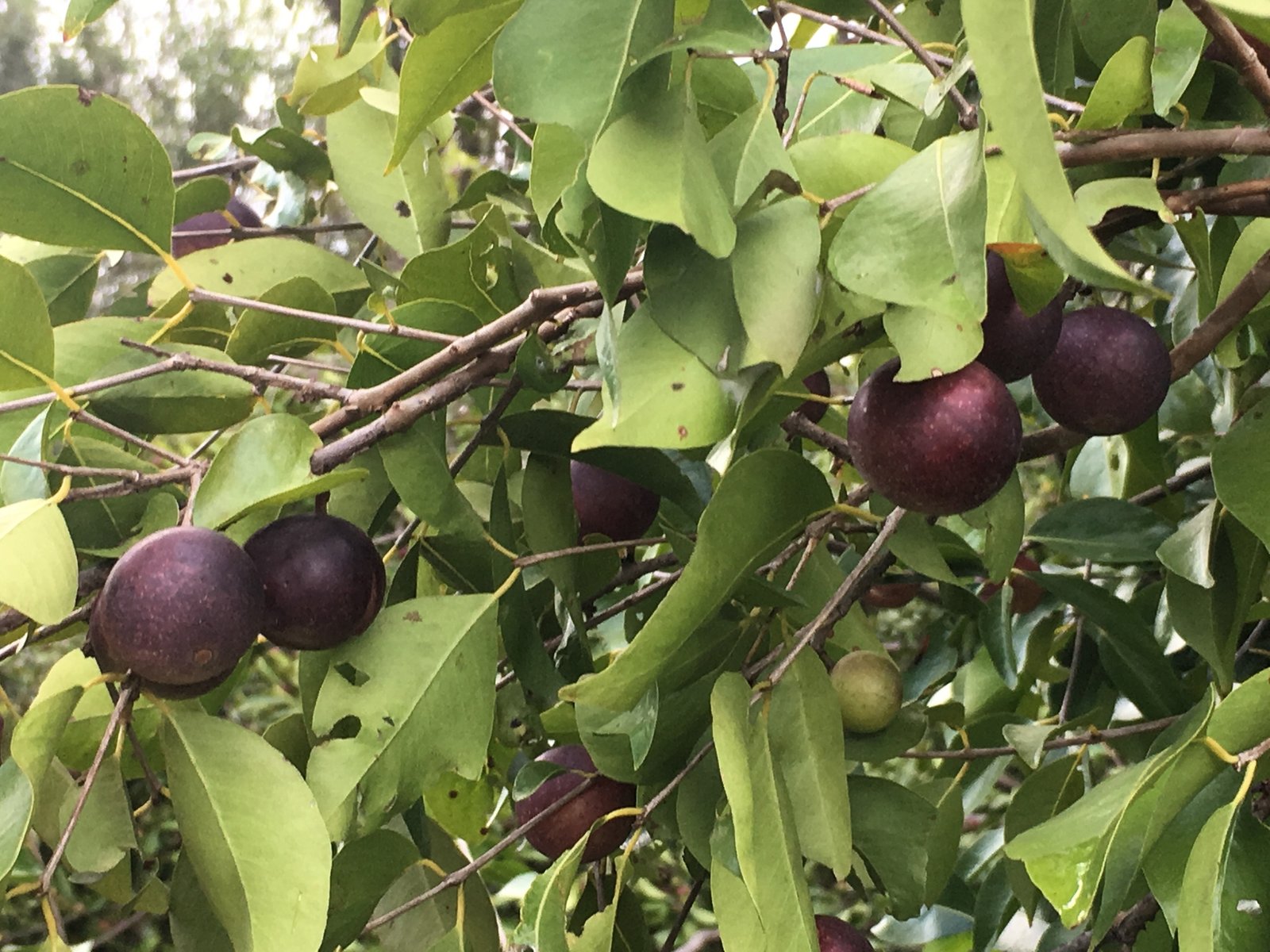
Myrciaria dubia, commonly known as camu-camu, caçari, araçá-d’água, or camocamo, is a species of plant in the family Myrtaceae. It is a small bushy riverside tree from the Amazon rainforest in Peru and Brazil, which grows to a height of 3–5 metres (10–15 feet) and bears a red/purple cherry-like fruit. It is a close relative of the false jaboticaba (Myrciaria vexator) and the guavaberry or rumberry (Myrciaria floribunda). As much as 2 to 3% of the fresh fruit by weight is vitamin C.Camu-camu has small flowers with waxy white petals and a sweet-smelling aroma. It has bushy, feathery foliage. The evergreen, opposite leaves are lanceolate to elliptic. Individual leaves are 3–20 cm (1–8 in) in length and 1–2 cm (1⁄2–3⁄4 in) wide.[citation needed]The camu-camu fruit is maroon or purple-black when fully ripe, around 25 mm in diameter, with either sweet or acidic flesh.
Platonia
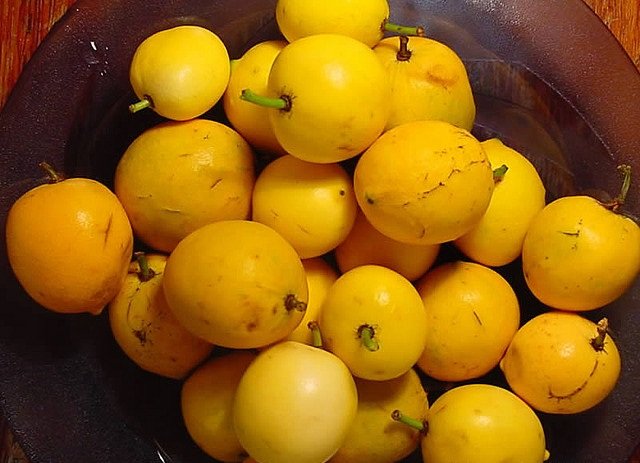
Platonia insignis, the sole species of the genus Platonia, is a tree of the family Clusiaceae native to South America in the humid forests of Brazil, Paraguay, parts of Colombia and northeast to Guyana; especially in Amazon Rainforest. Common names include bacuri (and numerous variant spellings thereof; bacurí, bacury, bakuri, pacuri, pakuri, pakouri, packoeri, pakoeri), maniballi, naranjillo and bacurizeiro.There was a degree of nomenclatural confusion, caused by Moronobea esculenta. If that were validly published for this species the current name would be Platonia esculenta. It was established that Moronobea esculenta is not a formal name (not “validly published”), so the name remains Platonia insignis.
Astronium fraxinifolium
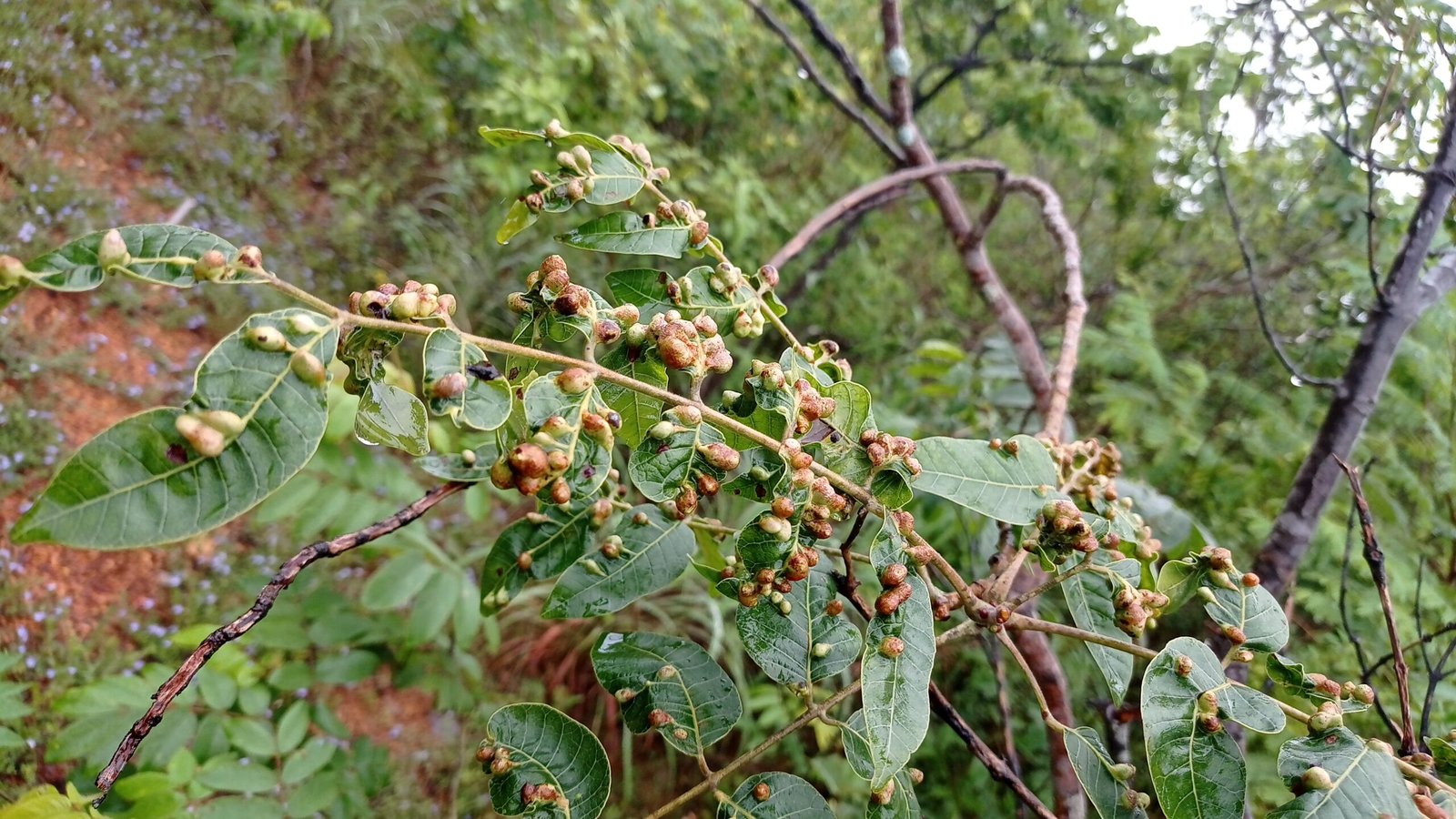
Astronium fraxinifolium is a hardwood timber tree, which is native to Amazon Rainforest, Atlantic Forest, Caatinga, and Cerrado vegetation in Brazil. Common names include kingwood, locustwood, tigerwood, and zebrawood.This plant is cited in Flora Brasiliensis by Carl Friedrich Philipp von Martius. It is grouped with two other species of Astronium under the Portuguese name Gonçalo alves, also known as tigerwood.
Astronium lecointei
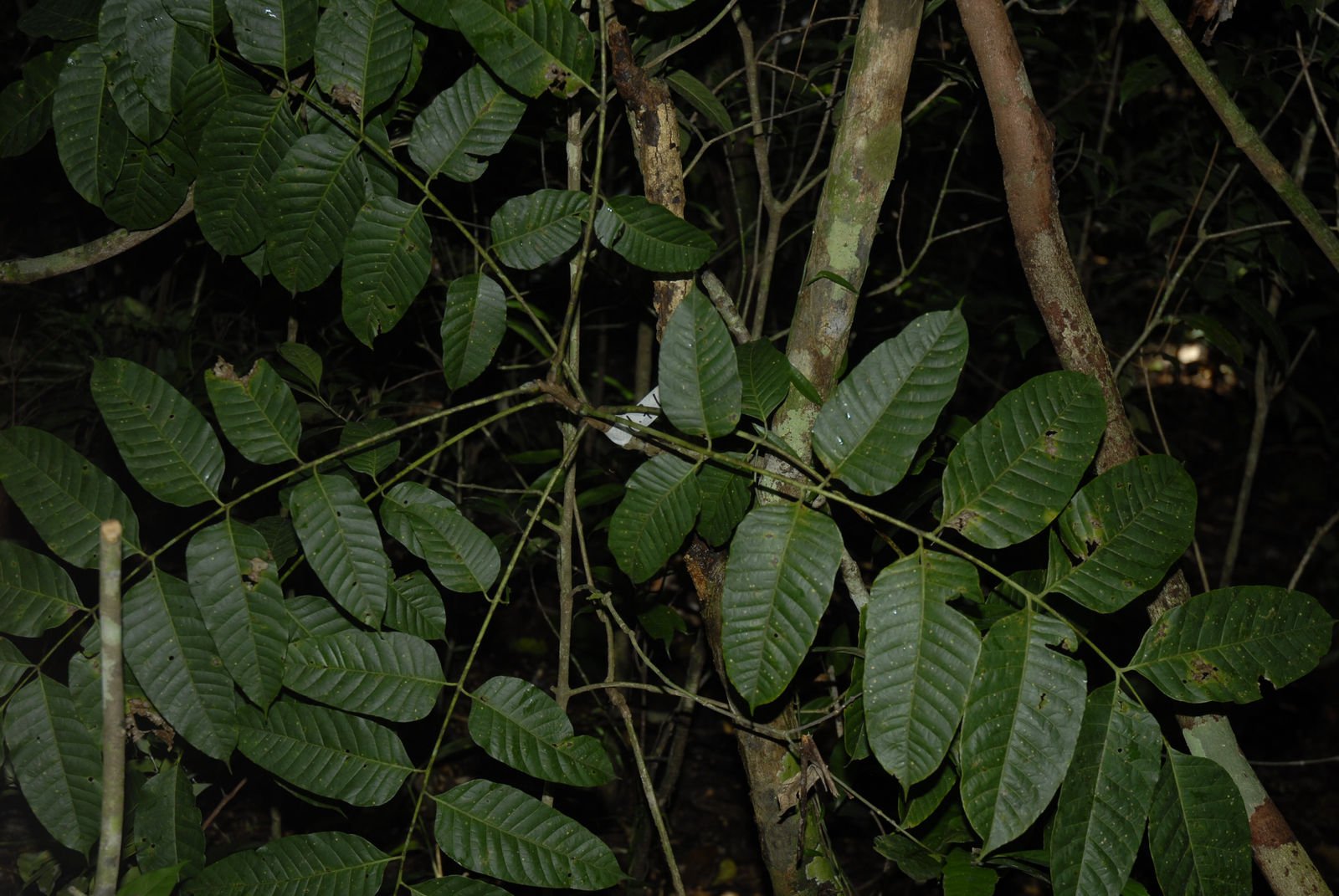
Astronium lecointei (Portuguese common name muiracatiara) is a hardwood timber tree native to Brazil. It is grouped with two other species of Astronium under the Portuguese name Gonçalo alves, also known as tigerwood.
Attalea maripa
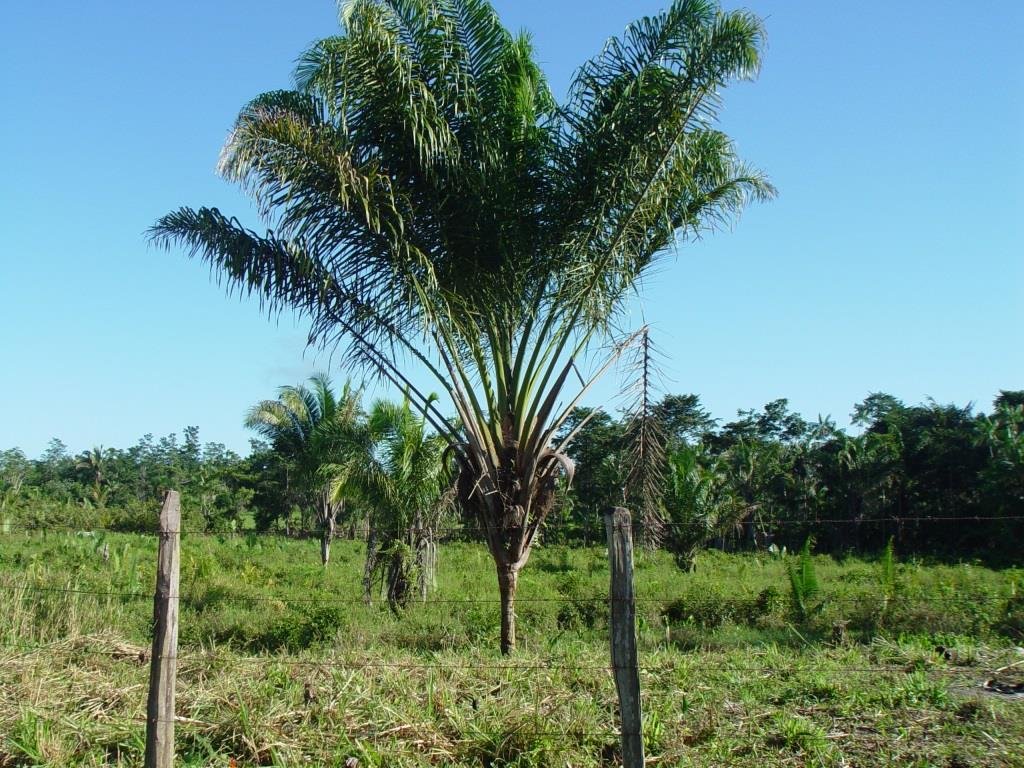
Attalea maripa, commonly called maripa palm is a palm native to tropical South America and Trinidad and Tobago. It grows up 35 m (115 ft) tall and can have leaves or fronds 10–12 m (33–39 ft) long, bearing up to 636 leaflets. This plant has a yellow edible fruit which is oblong ovoid and cream. An edible oil can be extracted from the pulp of the fruit and from the kernel of the seed.Attalea maripa is a large palm that grows from 3.5–20 m (11–66 ft) tall. Stems range from 20–33 cm (8–13 in) in diameter, occasionally reaching up to 100 cm (39.5 in). Trees have 10 to 22 leaves with long petioles. Fruit are large and brown or yellow, 5–6.5 cm (2.0–2.6 in)[6] with 2 or 3 seeds which are 4–6 cm (1.5–2.5 in) long and 2.5–3 cm (0.98–1.18 in) in diameter They are borne in infructescences which can contain several hundred to over 2000 fruit.
Attalea speciosa
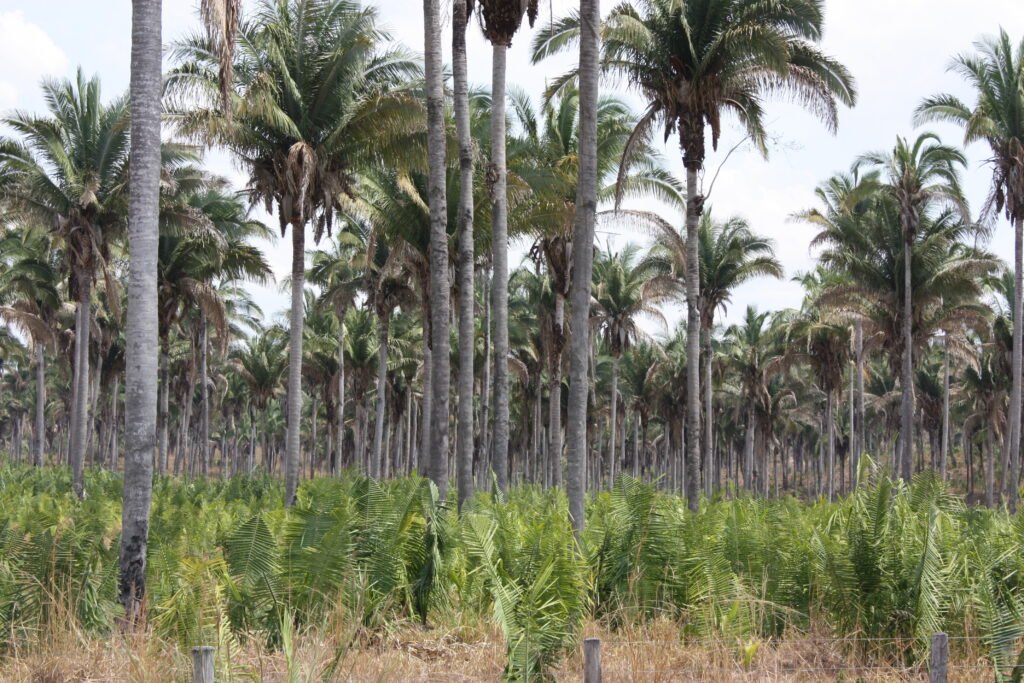
Attalea speciosa, the babassu, babassu palm, babaçu, or cusi, is a palm native to the Amazon Rainforest region in South America. The babassu palm is the predominant species in the Maranhão Babaçu forests of Maranhão and Piauí states.Babassu palms in BrazilThis plant has commercial value because its seeds produce an edible oil called babassu oil, which is also used in cleaners and skin-care products. The fruit is used to produce products such as medicines, beauty aids, and beverages. Traditional communities of the Maranhão region also produce a flour from the fruit, and this is commercialized as a nutritional supplement. The leaves are also used to provide thatch for houses and can be woven into mats for constructing house walls. The stems are used for timbers. The babassu palm is considered a weed in pasture areas of Cerrado vegetation in Brazil.
Brazil nut
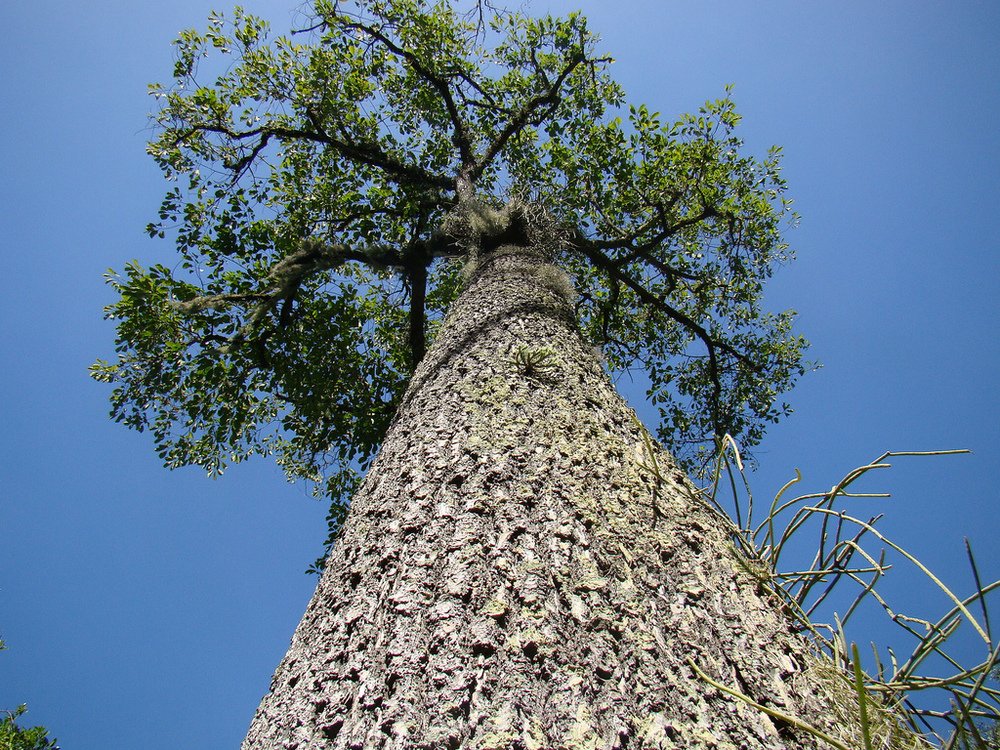
Brazil nut (Bertholletia excelsa) refers to a South American tree in the family Lecythidaceae as well as the tree’s commercially-harvested edible seeds. It is one of the largest and longest-lived trees in the Amazon rainforest. The fruit and its nutshell – containing the edible nut – are relatively large and weigh as much as 2 kg (4.4 lb) in total. As food, Brazil nuts are notable for diverse content of micronutrients, especially a high amount of selenium. The wood of the Brazil nut tree is prized for its quality in carpentry, flooring, and heavy construction.In 2023, Brazil and Bolivia combined produced 91% of the world total of Brazil nuts.
The Brazil nut is a large tree, reaching 50 metres (160 feet) tall, with a trunk 1 to 2 m (3 to 7 ft) in diameter, making it among the largest of trees in the Amazon rainforest. It may live for 500 years or more, and can often reach a thousand years of age.The stem is straight and commonly without branches for well over half the tree’s height, with a large, emergent crown of long branches above the surrounding canopy of other trees.The bark is grayish and smooth. The leaves are dry-season deciduous, alternate, simple, entire or crenate, oblong, 20–35 centimetres (8–14 in) long, and 10–15 cm (4–6 in) broad. The flowers are small, greenish-white, in panicles 5–10 cm (2–4 in) long; each flower has a two-parted, deciduous calyx, six unequal cream-colored petals, and numerous stamens united into a broad, hood-shaped mass.[citation needed]
Cinchona calisaya
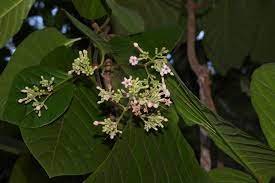
Cinchona calisaya is a species of shrub or tree in the family Rubiaceae. It is native to the forests of the eastern slopes of the Andes, where they grow from 200–3,300 metres (660–10,830 ft) in elevation in Peru and Bolivia.
Cinchona officinalis
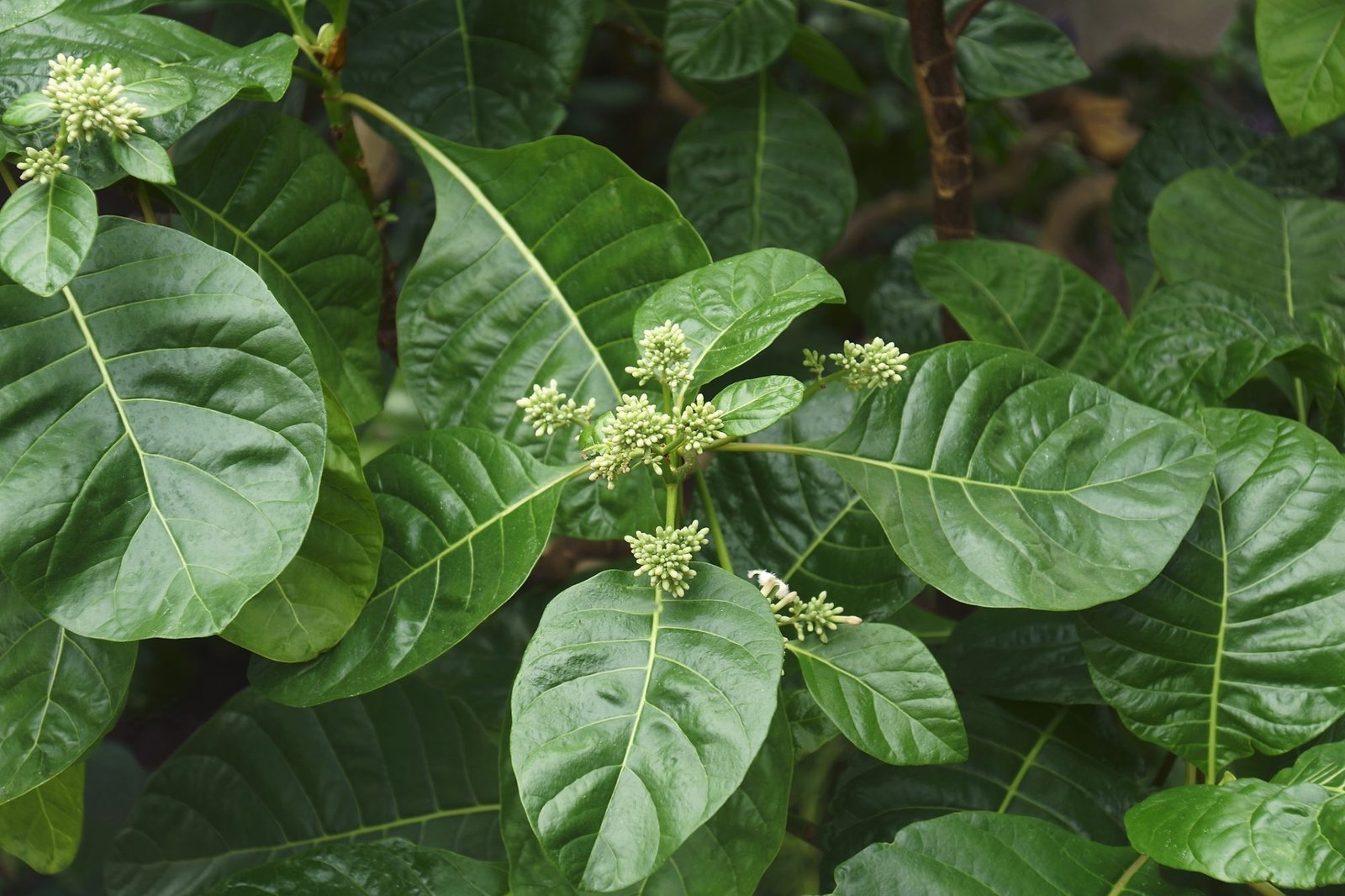
Cinchona officinalis is a South American tree in the family Rubiaceae. It is native to wet montane forests in Colombia, Ecuador, Peru and Bolivia, between 1600–2700 meters above sea level. It is the national tree of Per Cinchona officinalis is a shrub or tree with rugose bark and branchlets covered in minute hairs. Stipules lanceolate or oblong, acute or obtuse, glabrous. Leaves lanceolate to elliptic or ovate, usually about 10 centimetres (3.9 in). long and 3.5–4 centimetres (1.4–1.6 in). wide; acute, acuminate, or obtuse tip; base rounded to attenuate; coriaceous, glabrous above and often lustrous; glabrous beneath or puberulent or short-pilose, especially on the veins. Inflorescences in terminal panicles, many-flowered; hypanthium with short coarse hairs; reddish calyx, glabrous or nearly so, with triangular lobes; pink or red corolla, sericeous, the lobes ovate, acute, the corolla tube being about 1 cm. long. Fruit is an oblong capsule, 1.5–2 cm. long, almost glabrous.
Theobroma cacao
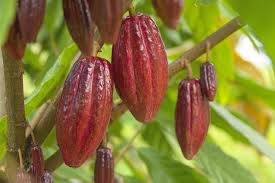
Theobroma cacao (cacao tree or cocoa tree) is a small (6–12 m (20–39 ft) tall) evergreen tree in the Malvaceae family. Its seeds—cocoa beans—are used to make chocolate liquor, cocoa solids, cocoa butter and chocolate. Although the tree is native to the tropics of the Americas, the largest producer of cocoa beans in 2022 was Ivory Coast. The plant’s leaves are alternate, entire, unlobed, 10–50 cm (4–20 in) long and 5–10 cm (2–4 in) broad
The flowers are produced in clusters directly on the trunk and older branches; this is known as cauliflory. The flowers are small, 1–2 cm (3⁄8–13⁄16 in) diameter, with pink calyx. The floral formula, used to represent the structure of a flower using numbers, is ✶ K5 C5 A(5°+52) G(5).While many of the world’s flowers are pollinated by bees (Hymenoptera) or butterflies/moths (Lepidoptera), cacao flowers are pollinated by tiny flies, Forcipomyia biting midges. Using the natural pollinator Forcipomyia midges produced more fruit than using artificial pollinators.The fruit, called a cacao pod, is ovoid, 15–30 cm (6–12 in) long and 8–10 cm (3–4 in) wide, ripening yellow to orange, and weighs about 500 g (1 lb) when ripe. The pod contains 20 to 60 seeds, usually called “beans”, embedded in a white pulp.
The seeds are the main ingredient of chocolate, while the pulp is used in some countries to prepare juice, smoothies, jelly, and cream. Usually discarded until practices changed in the 21st century, the fermented pulp may be distilled into an alcoholic beverage. The pulp tastes like lychee or tropical melon.Each seed contains a significant amount of fat (40–50%) as cocoa butter.
Couepia longipendula
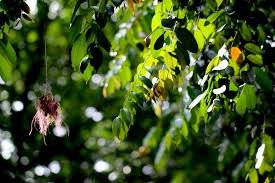
The tropical rainforest tree Couepia longipendula is known by the common names egg nut, castanha de galinha, and pendula nut. It is found in the Amazon.Its nuts are used as a food source in rural South America, especially in Brazil. The nuts are useful for their oil.
Platypodium elegans
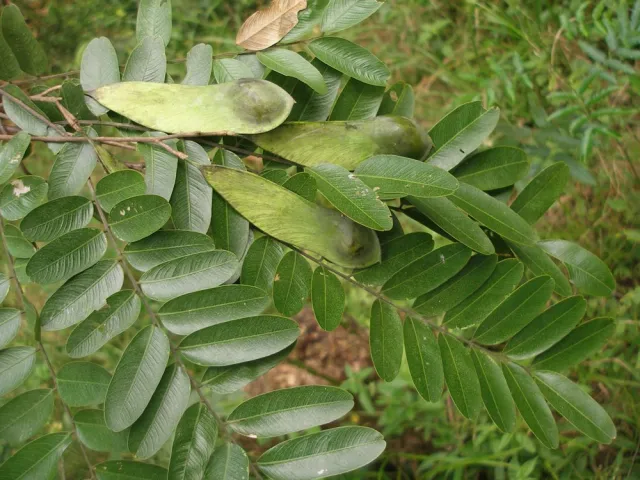
Platypodium elegans, the graceful platypodium, is a large leguminous tree found in the Neotropics that forms part of the forest canopy. It was first described by Julius Rudolph Theodor Vogel in 1837 and is the type species of the genus. The tree has been known to grow up to 30 metres in height and have a trunk with a diameter up to 1 m at breast height. Its trunk has large holes in it, sometimes making it possible to see through the trunk. The holes provide a habitat for giant damselflies and other insects both when alive and once the tree has died and fallen over. It has compound leaves each of which is made up of 10–20 leaflets. Three new chemical compounds have been isolated from the leaves and they form part of the diet of several monkeys and the squirrel Sciurus ingrami. In Panama it flowers from April to June, the flowers contain only four ovules, but normally only one of these reaches maturity forming a winged seed pod around 10 cm long and weighing 2 g. During the dry season around a year after the flowers are fertilised, the seeds are dispersed by the wind and the tree loses it leaves. The seeds are eaten by agoutis and by bruchid beetle larvae. The majority of seedlings are killed by damping off fungi in the first few months of growth, with seedlings that grow nearer the parent trees being more likely to die. The seedlings are relatively unable to survive in deep shade compared to other species in the same habitat. Various epiphytes are known to grow on P. elegans with the cactus Epiphyllum phyllanthus being the most abundant in Panama. Despite having holes in its trunk which should encourage debris and seeds to collect, hemiepiphytes are relatively uncommon, meaning that animals are not attracted to it to feed and then defecate. It has no known uses in traditional medicine and although it can be used for timber, the wood is of poor quality.Platypodium elegans is a large forest tree, which forms part of the forest canopy. It can grow up to 30 m in height, with mature trees having an average crown diameter of 16 m and a diameter at breast height (dbh) of 75–100 cm. Trees over 20 cm dbh grow at a rate of around 0.5 cm per year, as measured by how their dbh increases. Its trunk is fenestrated, having large and conspicuous holes in it, even so much so that it is possible to see through the trunk, meaning it can be mistaken for a strangler fig. The bark is soft and dark brown and contains a foul-smelling sap. It has compound leaves which grow up to 25 cm in length, each having 10–20 leaflets, which are 2.5–7.5 cm long, 1–3 cm wide, hairless on the upper side and positioned not quite opposite each other. Three new compounds have been isolated from the leaves of P. elegans; two seco-lupane triterpenes (canaric acid and dihydrocanaric acid), as well as a coumarin, 6,7,8-trimethoxycoumarin. The mature leaves are relatively tough, requiring more than 100 g/mm2 to be applied to them to puncture them. It is deciduous, losing its leaves during the dry season, when its seeds are dispersed. The diameter of the conducting vessels in the roots are on average 69 μm, up to 98 μm and in the shoots 57 μm up to 87 μm. The trees (over 20 cm dbh) are relatively stiff compared to other trees on Barro Colorado Island (BCI), having a Young’s modulus of 180,000 kg/cm2.In Panama, it flowers from April to June. It was first reported to flower only every other year, but this is now known to be incorrect, although seed production can vary considerably from year to year.The flowers of P. elegans contain four ovules, but normally only the most distal ovule develops into a seed, with other seeds being aborted before they mature. The pedicels are 8–12 mm long, the bracts around 2 mm long and the calyx around 4 mm long.After being fertilised a winged fruit (a samara) develops quickly, but it takes around one year for the seed to mature. The fruit remains on the tree whilst the seeds develop and is thought to photosynthesise during this time. The samaras dry out during the dry season, before detaching from the tree and being dispersed by the wind over 2–3 months. In Panama the seeds are dispersed between February and April, just under a year after the flowers formed. Each samara normally only contains one seed, but sometimes they contain two instead, which affects their dispersal. The samaras vary in size and shape between trees, but are generally similar on each individual tree. On average, they weigh around 2 g when dry, and are around 10 cm long but can grow up to 16 cm.Samaras containing two seeds are heavier, have a larger surface area and fall faster from the tree than those containing only one seed. Each seed weighs around one third of a gram, making them relatively large compared to other trees in its habitat, but seeds that are the result of self-fertilisation are significantly lighter (by 0.03 g). The cotyledons, of the seedlings remain underground after germination and only serve as a stored source of nutrients, they detach within 8 weeks of germination.
Pouteria caimito
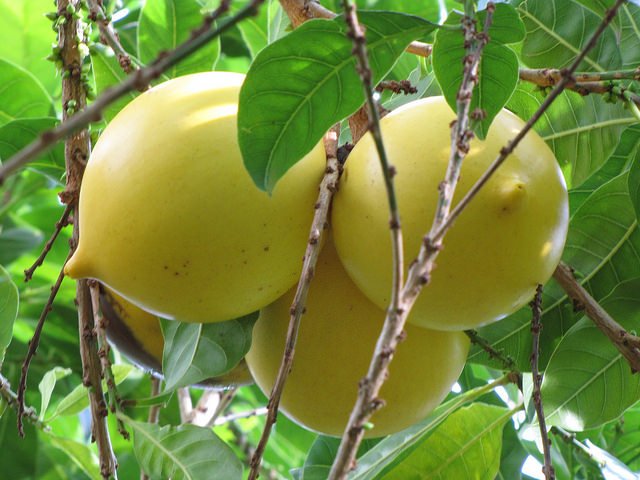
Pouteria caimito, the abiu (Portuguese pronunciation: [ɐˈbiw]), is a tropical fruit tree in the family Sapotaceae.It grows in the Amazonian region of South America, and this type of fruit can also be found in Cuba, the Philippines and other countries in Southeast Asia. It grows to an average of 10 metres (33 feet) high, with ovoid fruits. The inside of the fruit is translucent and white. It has a creamy and jelly-like texture with a taste resembling caramel custardP. caimito grows to an average of 10 metres (33 feet) high, and can grow as high as 35 metres (115 ft) under good conditions.The leaves range from oblong to elliptical. They can be 10–20 centimetres (4–8 inches) in length and 3.5–6.5 cm (1+1⁄2–2+1⁄2 in) in width.Abiu may have several flowering periods a year, with potential for both flowers and fruit on the tree at one time. The development time from flower to ripe fruit is about 3 months. The main crop season varies by climate.
The flowers on the tree may occur either single or in clusters of two to five flowers. They appear on the leaf axils on long, thin shoots. The flowers are small with four to five petals. The petals are cylindrical and are white to greenish in color. The flowers are hermaphroditic, meaning they are both sexes. The flowers open in the morning and can stay open for about two days.
Matisia cordata
Matisia cordata, known as the South American sapote or chupa-chupa, is a large, semi-deciduous fruit tree reaching heights of up to 45 meters. It is native to the Amazon rainforest vegetation in Brazil, Colombia, Ecuador, and PeruThe tree produces orange-yellow fruits that are soft, juicy, and sweet, each containing 2-5 seeds. These fruits are typically consumed fresh by hand, although they can also be juiced.Although generally popular, the fruit is variable in quality, as some trees may produce insipid or fibrous fruits. Little work has been done to establish preferred cultivars. Matisia cordata thrives in wet, deep soils, but it is susceptible to being killed by floods.Matisia cordata is native to the foothills of the Andes and is commonly found throughout parts of Brazil, Venezuela, and Colombia, as well as rural southern Panama. However, it is not widely cultivated Chupa-chupa has failed to gain much international recognition and has not been widely planted outside its native range. In 1964, US pomologist Bill Whitman obtained seeds from Peru and planted a tree in his garden at Bal Harbour, Florida, where it has successfully fruited.
Hevea brasiliensis
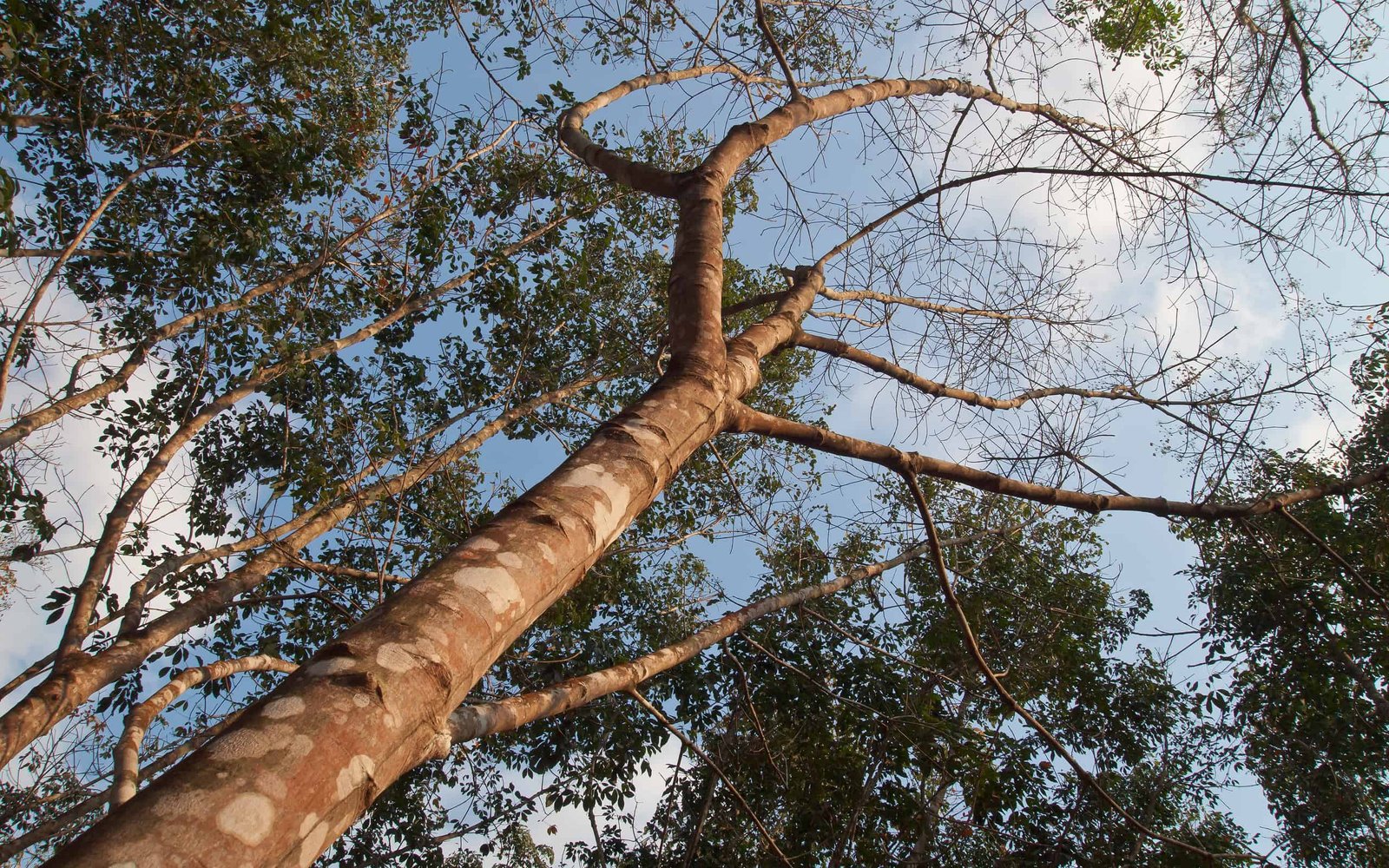
Hevea brasiliensis, the Pará rubber tree, sharinga tree, seringueira, or most commonly, rubber tree or rubber plant, is a flowering plant belonging to the spurge family, Euphorbiaceae, originally native to the Amazon basin, but is now pantropical in distribution due to introductions. It is the most economically important member of the genus Hevea because the milky latex extracted from the tree is the primary source of natural rubber.
Hevea brasiliensis is a tall deciduous tree growing to a height of up to 43 m (141 ft) in the wild. Cultivated trees are usually much smaller because drawing off the latex restricts their growth. The trunk is cylindrical and may have a swollen, bottle-shaped base. The bark is some shade of brown, and the inner bark oozes latex when damaged. The leaves have three leaflets and are spirally arranged. The inflorescences include separate male and female flowers. The flowers are pungent, creamy-yellow and have no petals. The fruit is a capsule that contains three large seeds; it opens explosively when ripe.In the wild the tree can reach a height of up to 43 metres (141 ft). The white or yellow latex occurs in latex vessels in the bark, mostly outside the phloem. These vessels spiral up the tree in a right-handed helix which forms an angle of about 30 degrees with the horizontal, and can grow as high as 15 metres (49 ft).In plantations the trees are generally smaller for two reasons: 1) trees grow more slowly when they are tapped for latex, and 2) trees are generally cut down after only 30 years, because latex production declines as trees age, and they are no longer economically productive. The tree requires a tropical or subtropical climate with a minimum of about 1,200 mm (50 in) per year of rainfall, and no frost. If frost does occur, the results can be disastrous for production. One frost can cause the rubber from an entire plantation to become brittle and break once it has been refined.
Erythrina fusca
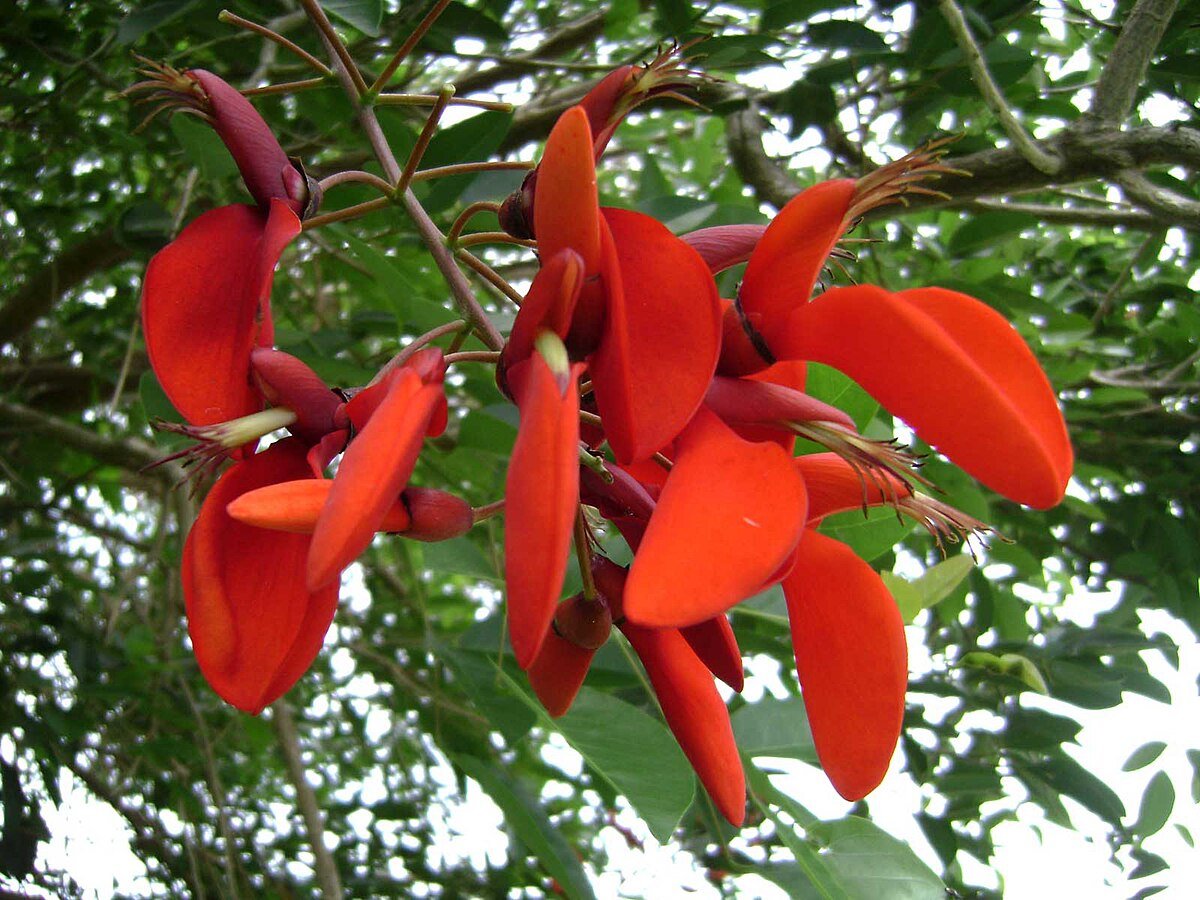
Erythrina fusca is a species of flowering tree in the legume family, Fabaceae. It is known by many common names, including purple coraltree, gallito, bois immortelle, bucayo, and the more ambiguous “bucare” and “coral bean”. E. fusca has the widest distribution of any Erythrina species; it is the only one found in both the New and Old World. It grows on coasts and along rivers in tropical Asia, Oceania, the Mascarene Islands, Madagascar, Africa, and the Neotropics.The easy-to-grow and attractive flowering tree is cultivated as an ornamental shade and hedge plant. It is a common shade tree in cacao plantations. It attracts hummingbirds, which pollinate its flowers.E. fusca is a deciduous tree with spiny bark and light orange flowers. Its legume pods reach 20 centimetres (7.9 in) in length and contain dark brown seeds. The seeds are buoyant, allowing them disperse across oceans.The tree is highly adapted to coastal conditions, tolerant of both flooding and salinity.Like many other species in the genus Erythrina, E. fusca contains toxic alkaloids which have been utilized for medicinal value but are poisonous in larger amounts. The most common alkaloid is erythraline, which is named for the genus.
Eugenia stipitata
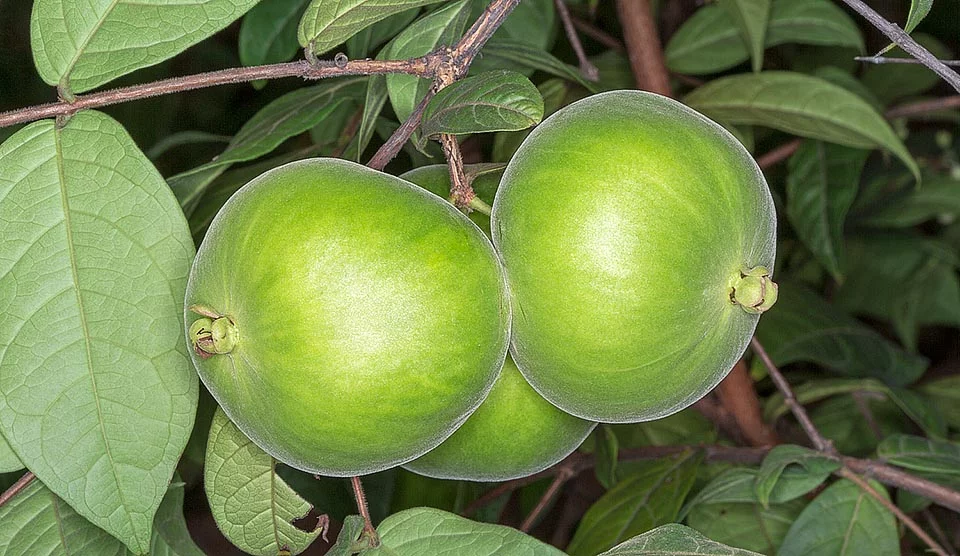
Eugenia stipitata (Araza, Portuguese common names araçá, araçá-boi Portuguese pronunciation: [ɐɾɐˈsa ˈboj], Spanish common name arazá, from Guarani arasa; also known as membrillo in Ecuador) is a fruit tree native to the Amazon Rainforest in Brazil, Colombia, Peru and Ecuador. Arazá originated in the western part of Amazonia. This plant is a lesser-known and underutilized crop, which have certain attractive properties for further agricultural development. Although the fruit is very acidic when eaten directly from the tree, it can be processed into juices, nectars, marmalades, ice-creams, and other foods with a refreshing taste. The species is believed to have its origin in the extreme west of the Amazon basin, perhaps in the Peruvian Amazon.Most of the wild populations are found on old, non-floodable terraces in tropical, white, highly leached podzolic soils, which are distributed specifically within the area between the Marañón and Ucayali Rivers and where the Amazon begins and as far as Iquitos (ssp. sororia) and in Brazilian state Acre (ssp. Stipitata). It is only found in the western Amazon and does not appear to have been widely spread by the indigenous people, although some of the best varieties appear to have been selected by the indigenous people of Peru around Iquitos. The reason is that within the locally cultivated material, there occur varieties 12 cm in diameter and 740 g in weight, compared with the wild populations which do not exceed 7 cm in diameter and 30 g in weight. Less frequently, species may be found also in Bolivia, Brazil, Colombia. It is grown as an exotic species in other tropical areas of South America, as well as Central America and Florida. Specimens have also been introduced elsewhere in the tropics, such as Malaysia.
Hancornia
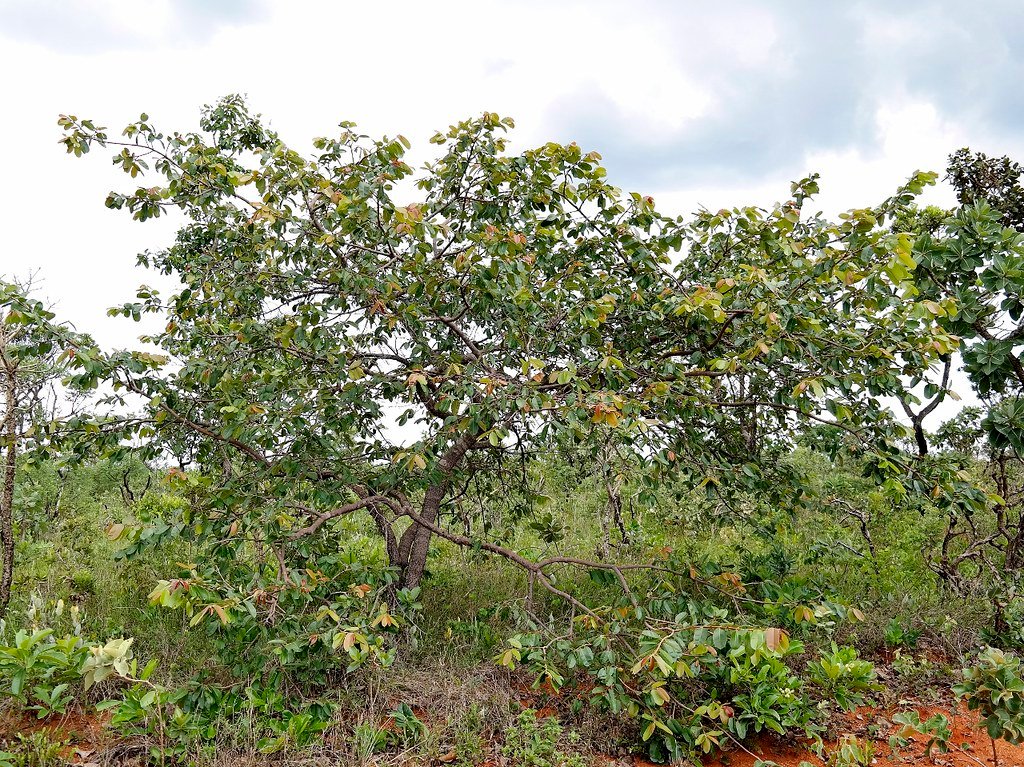
Hancornia is a genus of flowering plant in the family Apocynaceae, first described as a genus in 1812. It is native to South America (Brazil, Peru, Bolivia, Paraguay). It contains only one known species, Hancornia speciosa, commonly called mangabeira, which produces fruits known as mangabas.
Hevea brasiliensis
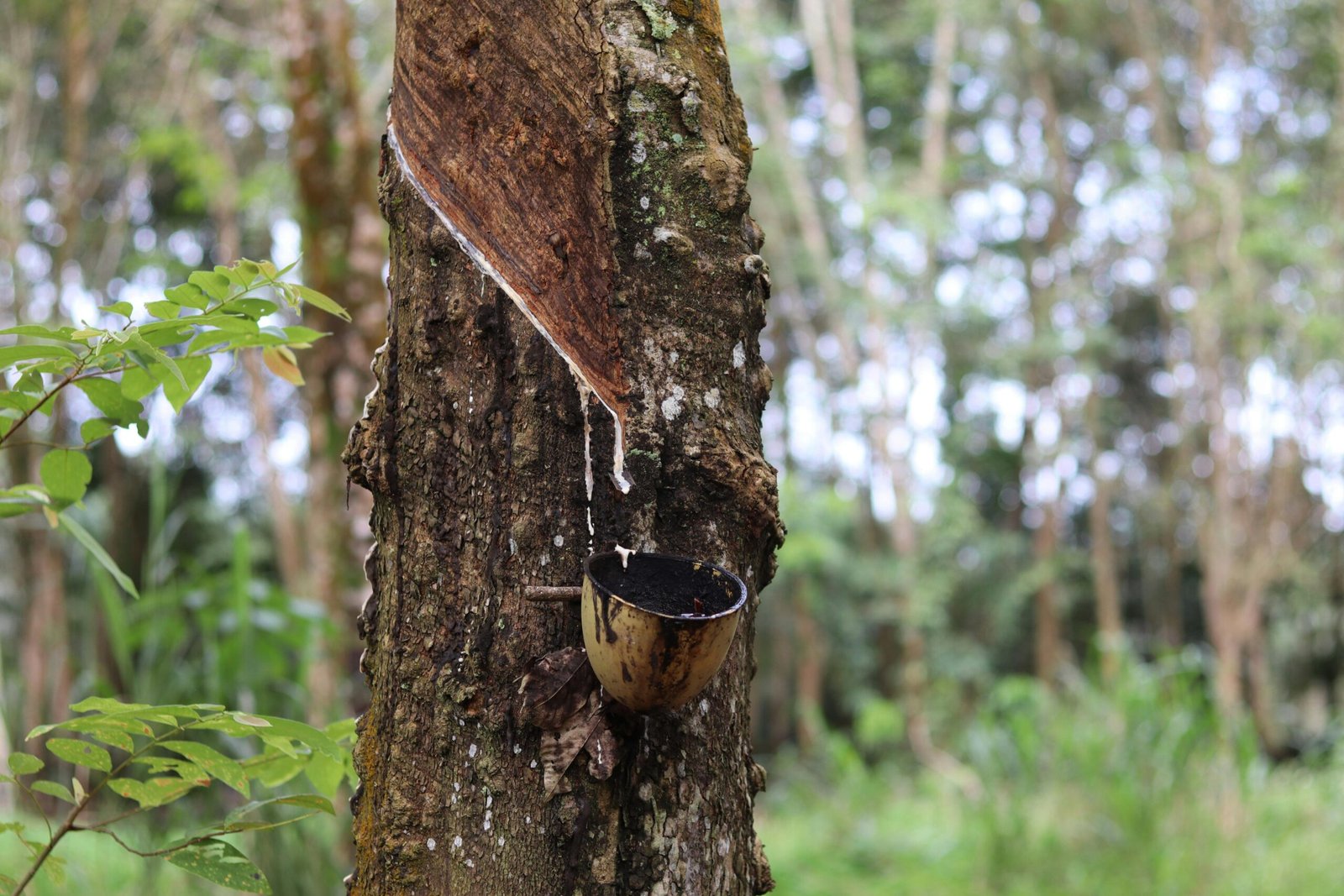
Hevea brasiliensis, the Pará rubber tree, sharinga tree, seringueira, or most commonly, rubber tree or rubber plant, is a flowering plant belonging to the spurge family, Euphorbiaceae, originally native to the Amazon basin, but is now pantropical in distribution due to introductions. It is the most economically important member of the genus Hevea because the milky latex extracted from the tree is the primary source of natural rubber.Hevea brasiliensis is a tall deciduous tree growing to a height of up to 43 m (141 ft) in the wild. Cultivated trees are usually much smaller because drawing off the latex restricts their growth. The trunk is cylindrical and may have a swollen, bottle-shaped base. The bark is some shade of brown, and the inner bark oozes latex when damaged. The leaves have three leaflets and are spirally arranged. The inflorescences include separate male and female flowers. The flowers are pungent, creamy-yellow and have no petals. The fruit is a capsule that contains three large seeds; it opens explosively when ripe.
Hura crepitans
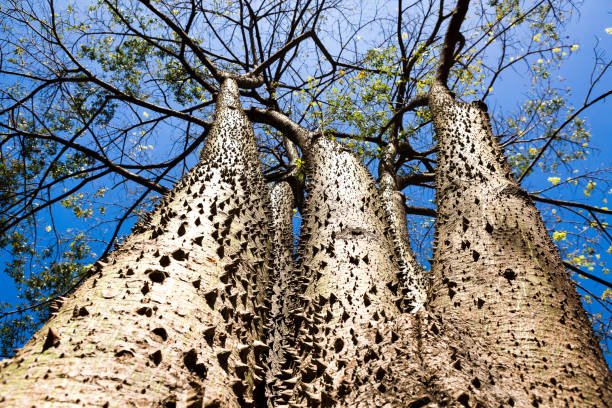
Hura crepitans, the sandbox tree,also known as possumwood, monkey no-climb, assacu (from Tupi asaku) and jabillo,is an evergreen tree in the family Euphorbiaceae, native to tropical regions of North and South America including the Amazon rainforest. It is also present in parts of Tanzania, where it is considered an invasive species.Because its fruit explode when ripe, it has also received the colloquial nickname the “dynamite tree”.The sandbox tree can grow to 60 metres (200 ft) in height,and up to 13.2 metres (43 ft) in girth at 1.8 m (6 ft) above the ground; its large ovate leaves grow to 60 cm (2 ft) wide. The trees are monoecious, with red, un-petaled flowers. Male flowers grow on long spikes, while female flowers grow alone in leaf axils. The trunk is covered in long, sharp spikes that secrete poisonous sap. The fruit are large, pumpkin-shaped capsules, 3–5 cm (1–2 in) long, 5–8 cm (2–3 in) diameter, with 16 carpels arranged radially. Its seeds are flattened and about 2 cm (3⁄4 in) diameter. The capsules explode when ripe, splitting into segments and launching seeds at 70 m/s (250 km/h; 160 mph).[5] One source states that ripe capsules catapult their seeds as far as 100 m (330 ft).[9][verification needed] Another source states that seeds are thrown as far as 45 m (150 ft) from a tree, most commonly 30 m (100 ft).[10] High-speed video analysis of its exploding fruit revealed that sandbox seeds fly with backspin as opposed to topspin, which had been previously assumed.Backspin helps seeds remain oriented to minimize their drag during flight.Its wood is light enough that indigenous people used it to make canoes.Fishermen have been said to use the milky, caustic sap from this tree to poison fish.The Caribs made arrow poison from its sap. The wood is used for furniture under the name “hura”. In a time when most writing pens left wet ink on the page, the trees’ unripe seed capsules were sawn in half to make decorative boxes (also called pounce pots) to hold the “sand” used to dry it, hence the name ‘sandbox tree’. It has been documented as a herbal remedy.
Kapok
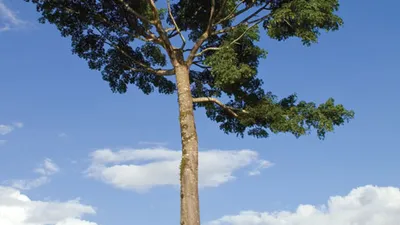
Kapok fibre is a cotton-like plant fibre obtained from the seed pods of a number of trees in the Malvaceae family, which is used for stuffing mattresses and pillows, for padding and cushioning, and as insulation.
Leopoldinia piassaba
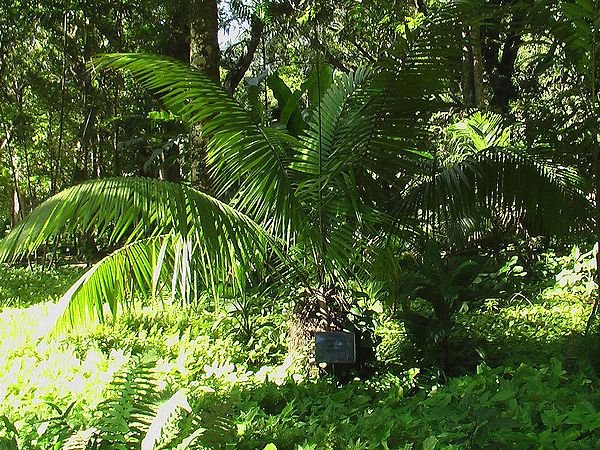
Leopoldinia piassaba, the Para piassava, piassava fiber palm or piassava palm, is a palm native to black water rivers in Amazonian Brazil and Venezuela, from which is extracted piassava, a high caliber and water resistant fiber. Piassaba fiber is made into brooms, baskets and other products. This plant is also a natural habitat of the Rhodnius brethesi which is a potential vector of Chagas disease and it is cited in Flora Brasiliensis by Carl Friedrich Philipp von Martius.
Magnolia amazonica
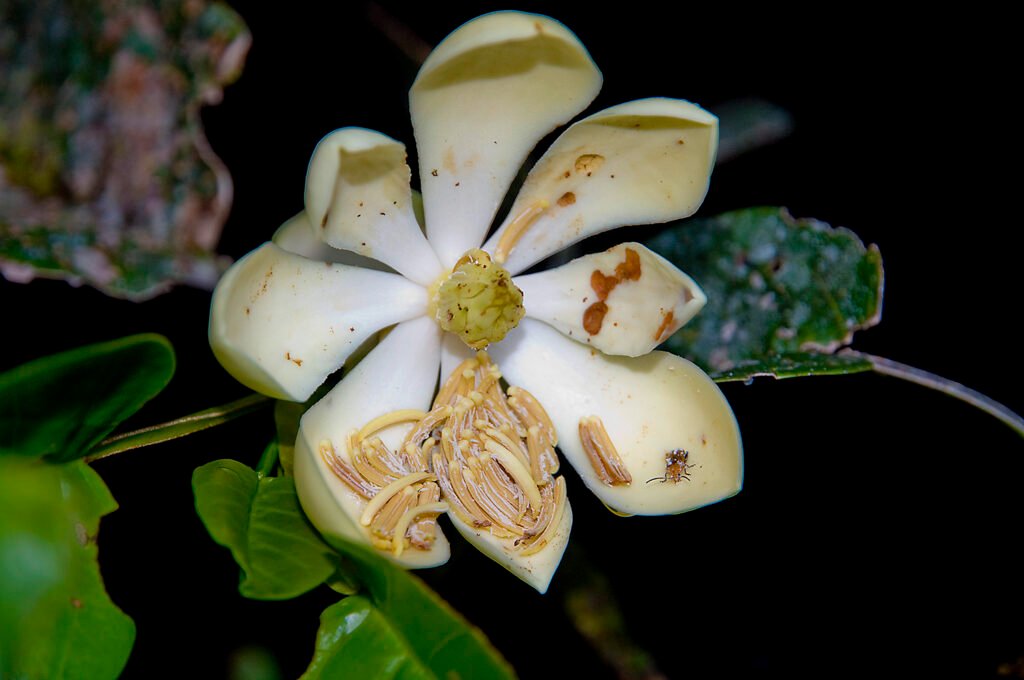
Magnolia amazonica is a flowering evergreen tree of the family Magnoliaceae native to the lower western Amazon River Basin, including Peru and BrazilMagnolia amazonica is a flowering evergreen tree of the family Magnoliaceae native to the lower western Amazon River Basin, including Peru and Brazil.Magnolia amazonica grows up to 20 metres (66 ft) high, in terra firma tropical lowland forests. Leaves are elliptic, 11 – 28.5 cm long and 4.2 – 10.5 cm broad. The creamy white fragrant flowers reportedly open at night, petals can be 6 – 7 cm long.
Didymopanax morototoni
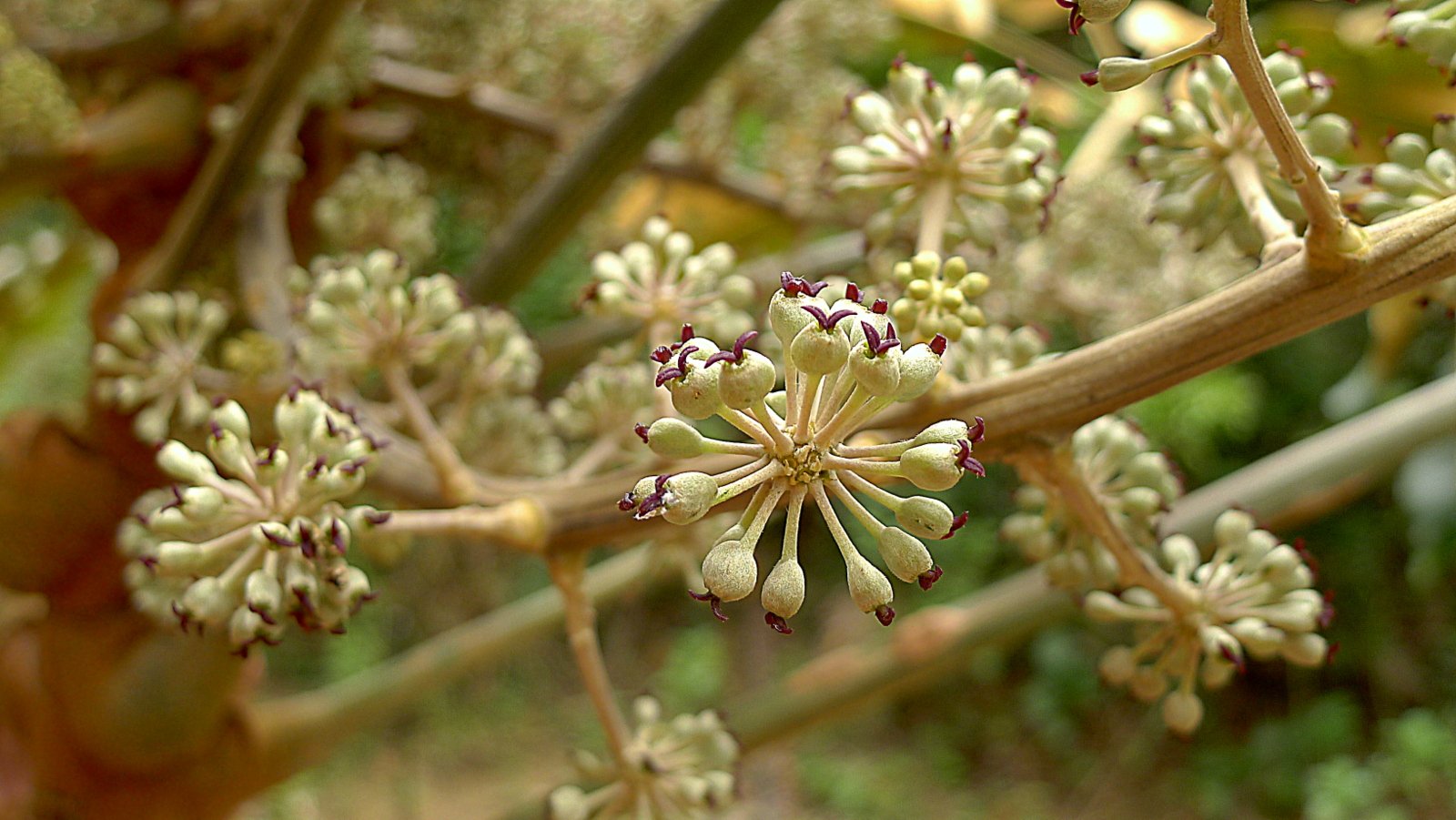
Didymopanax morototoni (yagrumo macho) is a timber tree native to southern Mexico, the Greater Antilles, Central America, and South America. It grows in a variety of habitats, such as the Caatinga, Cerrado, and Amazon rainforest of Brazil.
Socratea exorrhiza
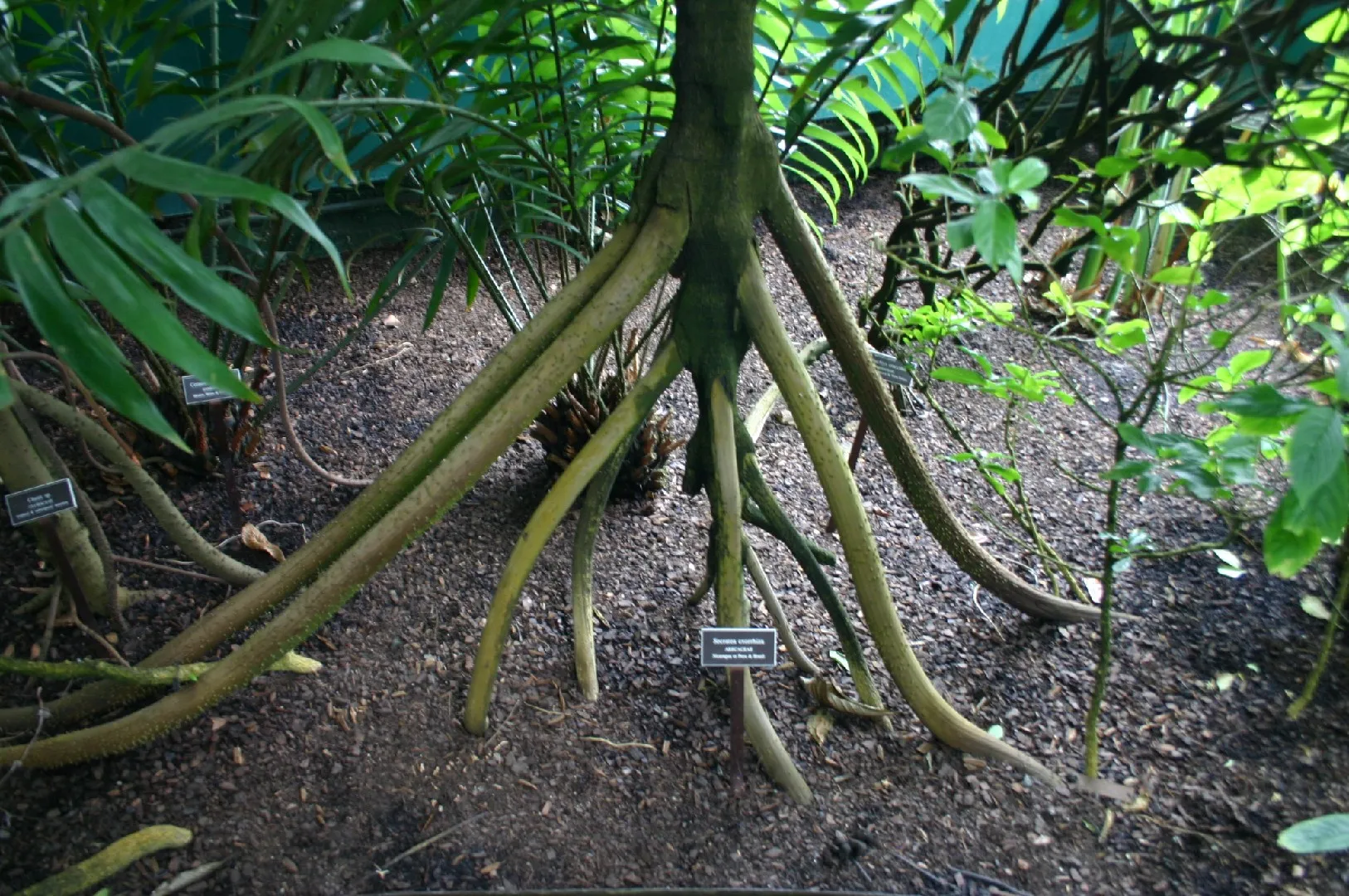
E. J. H. Corner in 1961 hypothesised that the unusual stilt roots of S. exorrhiza were an adaptation to allow the palm to grow in swampy areas of forest. No evidence exists that stilt roots are in fact an adaptation to flooding, and alternative functions for them have been suggested. John H. Bodley suggested in 1980 that they in fact allow the palm to “walk” away from the point of germination if another tree falls on the seedling and knocks it over. If such an event occurs then the palm produces new vertical stilt roots and can then right itself, the original roots rotting away. Radford writes in the Skeptical Inquirer in December 2009 that “As interesting as it would be to think that when no one is around trees walk the rainforest floor, it is a mere myth”, and cites two detailed studies that came to this conclusion. Other advantages of stilt roots over normal roots have since been proposed. Swaine proposed in 1983 that they allow the palm to colonise areas where there is much debris (for example, dead logs) as they can avoid it by moving their roots. Hartshorn suggested in 1983 that stilt roots allow the palm to grow upwards to reach light without having to increase the diameter of the stem. It was also thought that the roots may confer an advantage when the palm is growing on a slope, but no evidence has been found that this is the case.These very thick (8–10 cm) roots grow as much as 70 cm longer in a month.
Symphonia globulifera
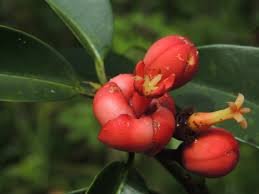
Symphonia globulifera, commonly known as boarwood,is a timber tree abundant in Central America, the Caribbean, South America and Africa. This plant is also used as a medicinal plant and ornamental plant.Symphonia globulifera is abundant in the Americas (from Mexico and the Caribbean south to Ecuador) and Africa (from Liberia east to Uganda and south to Angola).