Amozon People A-Z
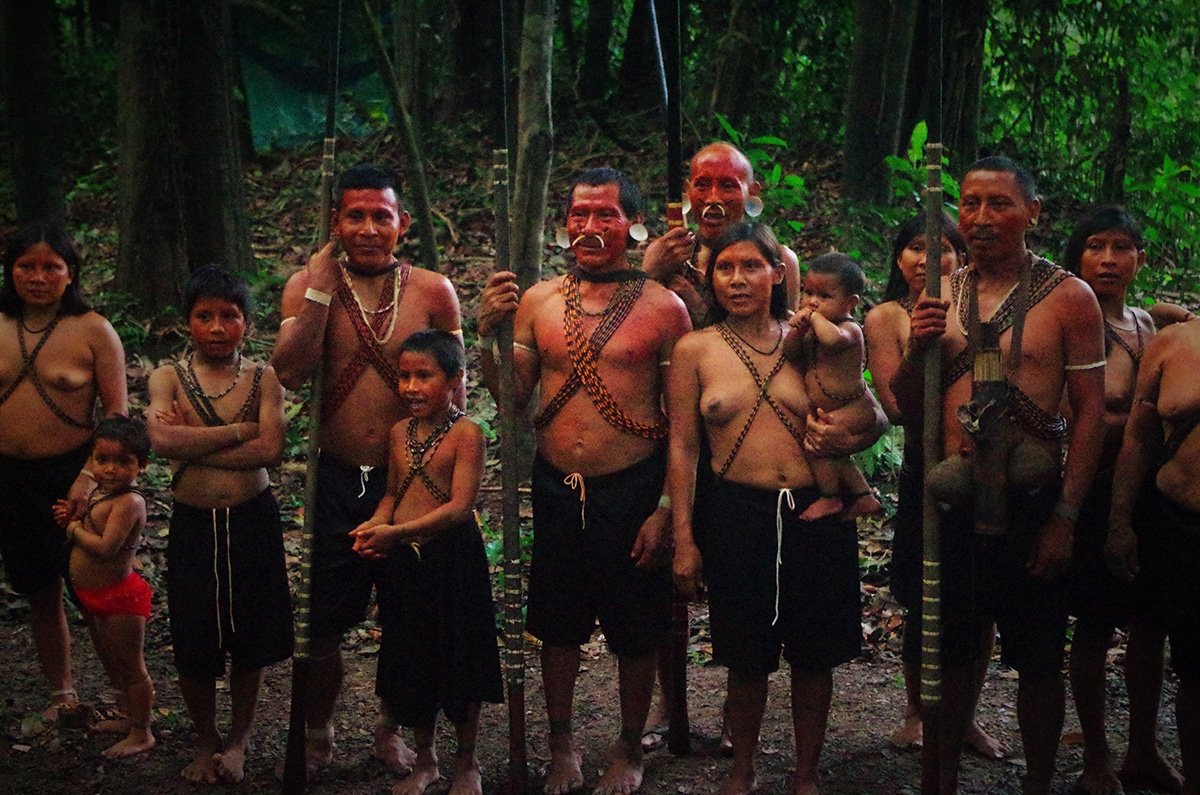
The Matis people are an indigenous group in the Amazon rainforest, known for their jungle survival skills, particularly their use of blowguns and knowledge of plants. Historically, they had little contact with the outside world until 1976, which led to a devastating epidemic from common diseases. Today, some younger Matis are integrated into Brazilian society, while elders work to preserve traditional ways of life, and the community now allows outsiders to learn about their culture.
Jungle mastery
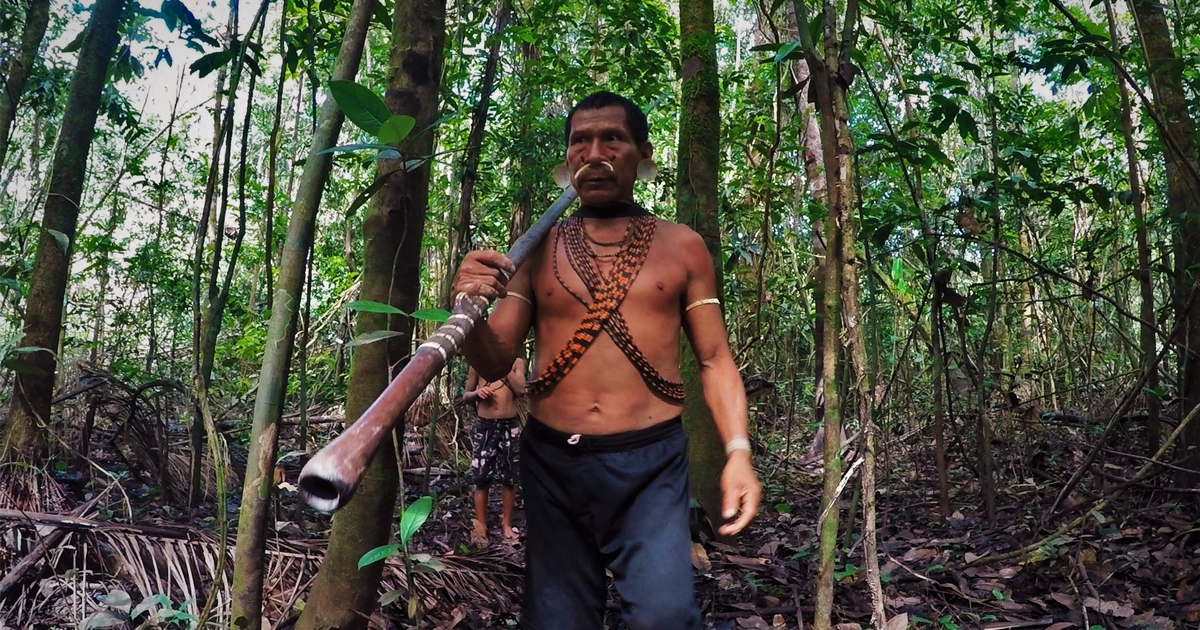
They are masters of navigating the Amazon without modern technology, using a deep understanding of the environment.Hunting: They hunt using 12-foot blowguns with curare-tipped darts and have techniques for climbing trees to retrieve their prey.Traditional practices: They use plants, bones, and clays to meet their needs, and some rituals, like the preparation for certain challenges, can be painful.Symbolism: Traditional tattoosrepresentsignificant life milestones.Language: The term matis also means “human being” or “person” in their language, and is related to the name of another closely related group, the Matses.
History and modern life
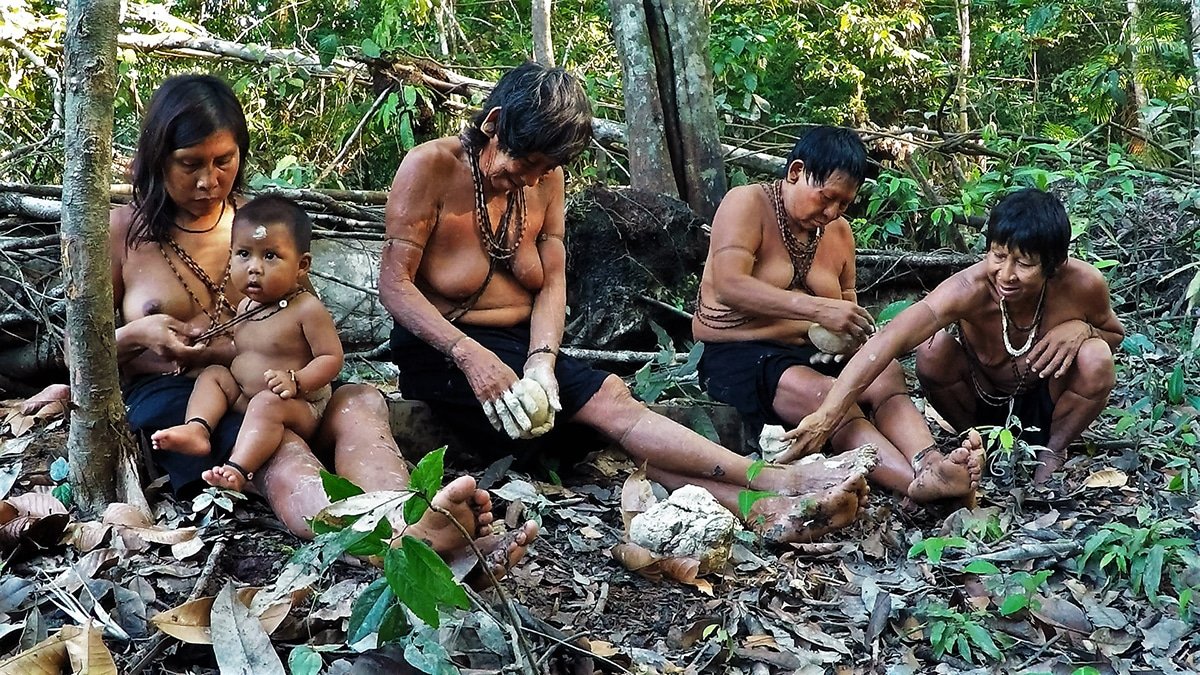
First contact: They were first contacted by the Brazilian government in 1976, but had no immunity to diseases like the common flu, which led to a large portion of their population dyingModern integration: The population has since recovered. Many young Matis attend schools and find jobs in Brazil.Cultural preservation: Some older members are dedicated to preserving their traditional lifestyle and culture.Cultural interactionOutside interest: Some organizations and documentaries offer opportunities to learn about the Matis culture and their survival techniques with their consentandinvolvement.Rituals and ceremonies: Visitors may have a chance to participate in some ceremonies and learn about their ritualsHowever, today they need to share the forests with a growing number of settlers who seek to tap into the Amazon’s considerable natural resources.
Life inside the rainforest
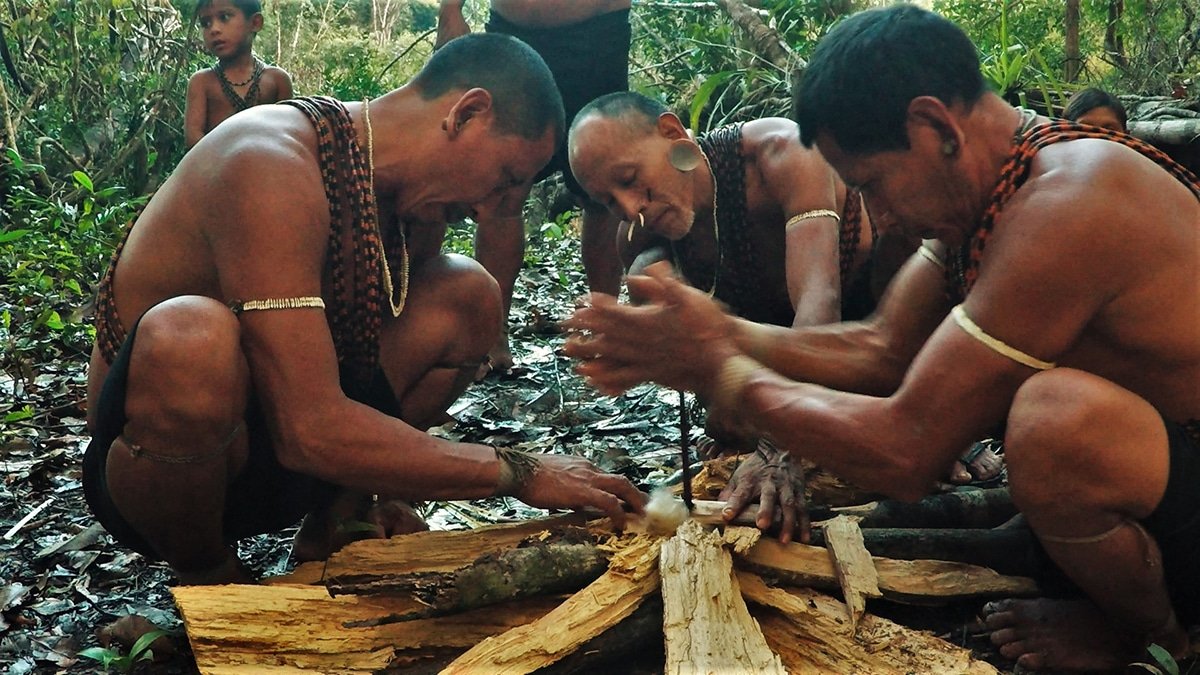
Some estimates put the first human settlements in the Amazon at 32,000 to 39,000 years ago. Since that time, Amazon people have developed lifestyles that are well integrated with the benefits and constraints of rainforests.
Typically, local game includes wildlife found close to rivers, such as fish, turtles, capybara and crocodiles. Until recently, blowguns, arrows tipped with poison and spears were commonplace to hunt down game, but these primitive weapons have increasingly been replaced by guns, when they can be afforded.
Hunter-gatherer groups were once generally nomadic, living in small temporary settlements for 4-5 years until all natural resources were exhausted – then they moved on.
But because of land colonization by non-indigenous people, many local groups were forced into sedentary lifestyles and became peasants.
Such changes not only destroy traditional lifestyles but also cause local people to lose control over their territory. Those who stand to benefit from this are loggers, gold miners and other colonists.
Some hunter-gatherer tribes were once highly territorial. For example, Brazilian Mundurucu head-hunters indiscriminately hunted animals and humans. Raids were carried out on neighbouring groups to acquire women and protect territory.
Amazon people and religious beliefs
The spiritual world is extremely important to the indigenous people of South America, a world they claim to get closer to by utilizing plants that contain certain hallucinogens.
One of the most important persons to many indigenous groups is the shaman, who holds the knowledge of local plants and animals, and who is believed to communicate with the spirit world.
The human impact of European colonists in South America
When Europeans first arrived in South America, there were about 6.8 million indigenous people. But colonists brought persecution, slavery and diseases that local people were not immune to.
Communities living close to the rivers were the first to be affected, as colonists used these as routes of incursion. Indigenous people living inside the forests were initially spared much of the worst aspects of this European onslaughtThe Shamen do not see themselves as hallucinating as many people often perceive the term. In short, for them, these plants are like a Priest or a Brahmin. They represent God’s knowledge on Earth. They therefore carry a power which allows the Shamen to alter their state of awareness. It allows them to perceive their world in new and different ways and gain the knowledge which they seek in order to heal their people.
Northwestern Amazon
This region includes Amazonas in Brazil; the Amazonas and Putumayo Departments in Colombia; Cotopaxi, Los Rios, Morona-Santiago, Napo, and Pastaza Provinces and the Oriente Region in Ecuador; and the Loreto Region in Peru.
- Arara
- Achuar
- Aguaruna
- Baniwa
- Bora
- Bora Bora
- Barasana
- Cofan
- Cubeo
- Canelos
- Canari
- Dow
- Huaorani
- Hupda
- Huambisa
- Jibito
- Jivaroan
- Kanamar
- Kruubu
- Shuar
- Quecha
- Urairna
- Machiguenga
- Matses
- Mayorona
- Mura
- Piraha
- Nukak
- Omagua
- Panoan
- Siona
- Siriano
- Tacano
- Ticuna
- Macuna
- Waimiri Atroai
- Witoto
- Yagua
- Yaminahua
- Yora
- Zaparo
- Zuruha
Eastern Amazon
This region includes Amazonas, Maranhão, and parts of Pará States in Brazil.
- Amanayé
- Arawete
- Awa
- Chuncho
- Ge
- Guajajara
- Guarani
- Kaapor
- Kuruaya
- Marajoari
- Panara
- Suruí do Pará
- Tembe
- Turiwara
- Wayampi
- Zoe People
Southern Amazon
This region includes southern Brazil (Mato Grosso, Mato Grosso do Sul, parts of Pará, and Rondônia) and Eastern Bolivia (Beni Department).
- Aweti
- Apiaco
- Chiquitano
- Cinta Larga
- Enawene Nawe
- Ikpeng
- Juma
- Yudia
- Kaiabi
- Kalapalo
- Karitiani
- Kamayur
- Kanoe
- Kayapo
- Kuikuro
- Matipu
- Mehinako
- Moxo
- Nahuku
- Nambikuara
- Panara
- Rikbaksta
- Rio Pardo people
- Mawe
- Suya
- Tapirape
- Tenharim
- Terena
- Trumai
- Uru-Wau-Wau
- Wari
- Wauja
- Wuy Jugu
- Yawalapiti
Relations with outsiders
International organizations have highlighted the importance of protecting indigenous peoples’ environment and lands, the importance of protecting them from exploitation or abuse, and the importance of no contact in order to prevent the spread of modern diseases. In their 2025 report, Survival International predicted that almost half of the world’s 196 uncontacted peoples could be wiped out within 10 years. Survival states that the threats to uncontacted peoples mostly come from extractive industries such as logging, mining, and oil and gas extraction. However, they also highlighted threats from criminal gangs, well-funded missionaries and social media influencers.Historic exploitation and abuse at the hands of the majority group have led many governments to give uncontacted people their lands and legal protection. Many Indigenous groups live on national forests or protected grounds, such as the Vale do Javari in Brazil or North Sentinel Island in India.In 1961, British explorer Richard Mason was killed by an uncontacted Amazonian tribe, the Panará. The Panará lived in relative isolation until 1973 when the government project (Cuiabá-Santarém) road BR-163 was built through their territory. As a result, the tribe suffered newly introduced diseases and environmental degradation of their land. Of the more than 350 members of the Panará tribe, more than 250 perished in the first twelve months after their first contact with settlers.Much of the contention over uncontacted peoples has stemmed from governments’ desire to extract natural resources. In the 1960s and 1970s, Brazil’s federal government attempted to assimilate and integrate native groups living in the Amazon jungle in order to use their lands for farming.[citation needed] Their efforts were met with mixed success and criticism until, in 1987, Brazil created the Department of Isolated Indians inside the Fundação Nacional do Índio (Funai), Brazil’s Indian Agency. FUNAI was successful in securing protected lands which have allowed certain groups to remain relatively uncontacted until the present day.[citation needed]
A different outcome occurred in Colombia when the Nukak tribe of Indigenous people was contacted by an evangelical group. The tribe was receptive to trade and eventually moved in order to have closer contact with settlers. This led to an outbreak of respiratory infections, violent clashes with illicit drug traffickers, and the death of hundreds of the Nukak, more than half of the tribe. Eventually, the Colombian government forcibly relocated the tribe to a nearby town where they received food and government support but were reported as living in poverty.
The dangers to isolated peoples demonstrated by contact with the Nukak tribe are generally shared across uncontacted peoples, particularly the desire of both national governments and private groups to exploit their lands for financial or social gain. This can include lumbering, ranching and farming, land speculation, oil prospecting and mining, and poaching. For example, then Peruvian President Alan García claimed in 2007 that uncontacted groups were only a “fabrication of environmentalists bent on halting oil and gas exploration”. As recently as 2016, a Chinese subsidiary mining company in Bolivia ignored signs that they were encroaching on uncontacted tribes, and attempted to cover it up. In addition to commercial pursuits, other people such as missionaries can cause great damage.It was those threats, combined with attacks on their tribe by illegal cocaine traffickers, that led a group of Acre Indians to make contact with a village in Brazil and subsequently with the federal government in 2014. This behaviour suggests that many tribes are aware of the outside world and choose not to make contact unless motivated by fear or self-interest. Satellite images suggest that some tribes intentionally migrate away from roads or logging operations in order to remain secluded.Indigenous rights activists have often advocated that Indigenous peoples in isolation be left alone, saying that contact will interfere with their right to self-determination as peoples. On the other hand, experience in Brazil suggests isolating peoples might want to have trading relationships and positive social connections with others, but choose isolation out of fear of conflict or exploitation.The Brazilian state organization FUNAI in collaboration with anthropological experts has chosen to make controlled initial contact with tribes. The organization operates 15 trading posts throughout protected territory where tribes can trade for metal tools and cooking instruments.The organization also steps in to prevent some conflicts and deliver vaccinations. However, FUNAI has been critical of political will in Brazil, reporting that it only received 15% of its requested budget in 2017. In 2018, after consensus among field agents, FUNAI released videos and images of several tribes under their protection.Although the decision was criticized, the director of the Isolated Indian department, Bruno Pereira, responded that “The more the public knows and the more debate around the issue, the greater the chance of protecting isolated Indians and their lands”. He shared that the organization has been facing mounting political pressure to open up lands to commercial companies. He also justified the photography by explaining that FUNAI was investigating a possible mass homicide incident against the Flecheiros tribe.Recognizing the myriad problems with contact, the United Nations Human Rights Council in 2009 and the Inter-American Commission on Human Rights in 2013introduced guidelines and recommendations that included a right to choose self-isolation.